

Ultrasound Scan Singapore
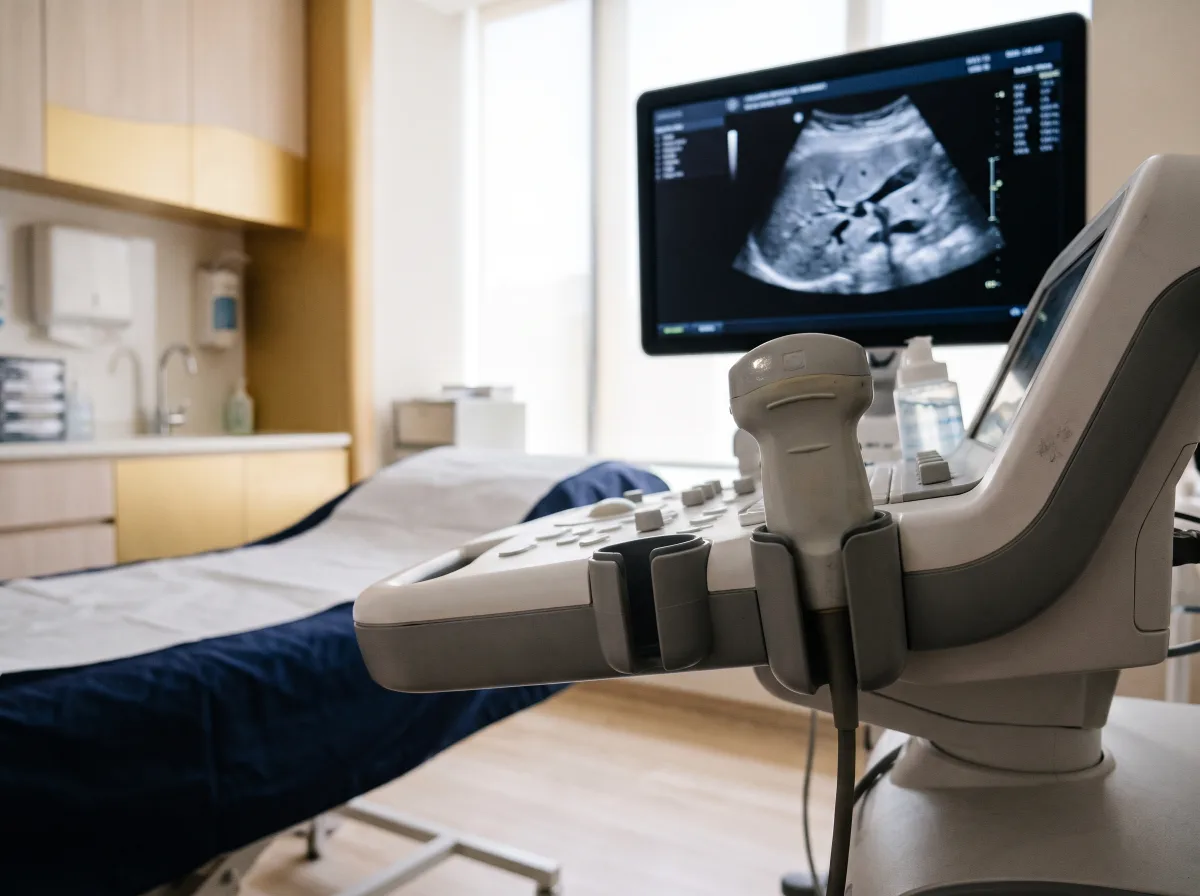
Affordable scans for a clear view of your internal organs
- 13 ultrasound scans from $43.60 (nett, inclusive of GST)
- Report usually emailed within 72 hours
- MediSave may be used for eligible scans, subject to the relevant criteria

Last updated: Nov 25, 2026
What Is an Ultrasound?
An ultrasound scan uses high-frequency sound waves to create detailed images of the organs and tissues inside your body.
Most ultrasound scans are non-invasive and do not use radiation, making them a safe and widely used method to help diagnose problems in organs such as the liver, kidneys, thyroid, breasts, pelvis and prostate.
At ATA Medical, we are a MediSave-accredited clinic, so eligible scans may be claimed, subject to the relevant criteria. Please contact us for more information.
How Does an Ultrasound Work?
An ultrasound works by sending high-frequency sound waves into the body and turning the echoes that bounce back into a live picture on a screen. The sound waves come from a small handheld probe called a transducer, at a pitch too high for people to hear. When the waves meet organs and tissues, part of each wave bounces back to the probe as an echo, and a layer of gel on the skin helps the sound pass between the probe and the body.
What Can an Ultrasound Detect?
An ultrasound can detect lumps, cysts, stones, fatty liver and changes in organ size to help diagnose conditions in various areas of the body.
- Neck: thyroid nodules and enlarged lymph nodes, and the thickness of the artery walls with a carotid artery ultrasound, which may show early signs of atherosclerosis.
- Chest: breast lumps or changes found on examination or a mammogram, and the size, movement and pumping of the heart with a 2D echocardiogram.
- Abdomen: fatty liver, liver lumps and changes that may suggest cirrhosis; gallstones, polyps and bile duct blockages with an HBS ultrasound; and kidney stones, cysts and growths.
- Pelvis and urinary tract: the bladder, kidneys and ureters (KUB scan); ovarian cysts, fibroids and signs of endometriosis; an enlarged prostate or prostate cysts; and changes in the testicles and scrotum that help assess pain, swelling or lumps.
- Heel: a quick check of bone health that can help screen for low bone density and fracture risk. A DEXA scan measures bone density directly and is used to confirm it.
Is an Ultrasound Safe? Does It Involve Radiation?
An ultrasound is generally safe, mostly non-invasive and does not use radiation. The scan makes its pictures with sound waves, while X-rays and CT scans use ionising radiation.
An ultrasound can be repeated when it is medically needed, and the number of scans depends on the reason for the scan. Your doctor can advise on the most suitable frequency based on your condition.
What to Expect During Your Ultrasound Scan
- For most scans, you lie on a couch, usually on your back or on your side.
- A water-based gel goes on the skin over the area being checked. The gel removes the air between the probe and the skin, because air blocks sound waves.
- The probe glides back and forth over the gel until the scan has captured the pictures needed.
- You may be asked to keep still, hold your breath for a few seconds or change position, so that the pictures come out clearer.
An external scan does not usually cause pain, although the probe may press lightly on the skin. Some internal scans, such as a transvaginal pelvis scan, are minimally invasive and may feel mildly uncomfortable, but they are generally tolerable.
You can usually return to your normal activities straight away after the scan.
How Long Does an Ultrasound Take, and When Are Results Ready?
- The scan itself typically takes 30 to 45 minutes. Kindly allow an average of 1 to 1.5 hours in total, inclusive of registration, consultation, and preparation time.
- The report will usually be ready within 72 hours and will be emailed to you.
How to Prepare for Your Ultrasound Scan
Do I Need to Fast Before an Ultrasound?
You need to fast before an abdominal, liver or hepatobiliary system (HBS) ultrasound, but most other ultrasound scans do not need fasting. Pelvis, prostate and KUB scans usually need a full bladder instead, while thyroid and kidney scans need no preparation.
- For Ultrasound Full Abdomen, Liver and Hepatobiliary System (HBS) tests, you are required to fast at least 6 hours before your appointment. Food and gas in the gut can block the view of the abdominal organs. Only plain water is allowed during the fast, so please avoid coffee, tea and other drinks. If you take regular medicines or have diabetes, please check with us how to manage them during the fast.
- For Ultrasound Pelvis, Prostate and Kidney, Ureters and Bladder (KUB) tests, please drink 5-6 glasses of water 1 hour before your test. Please also avoid urination to keep your bladder full. A full bladder helps the scan give a clearer picture of the organs in the pelvis. If an internal (transvaginal) scan is planned, you may be asked to empty your bladder first.
What to Bring
- Identification card, documents and memo or referral letter (if any).
- For payment: cash, NETS, American Express, MasterCard, Visa, UnionPay, GrabPay or PayNow.
Prices
| Test | Price* |
|---|---|
| Consultation | From $49.05 |
| Ultrasound Carotid Intima Media Thickness | $163.50 |
| Ultrasound Breast | $163.50 |
| Ultrasound Kidney | $152.60 |
| Ultrasound Liver (Full HBS) | $196.20 |
| Ultrasound Prostate | $228.90 |
| Ultrasound Thyroid | $163.50 |
| Ultrasound Pelvis (Transabdominal & Transvaginal)** [Non-IVF]^^ | $272.50 |
| Ultrasound Kidney, Ureters and Bladder (KUB) | $207.10 |
| Ultrasound Hepatobiliary System (HBS) | $196.20 |
| Ultrasound Testicles & Scrotum | $228.90 |
| Ultrasound Full Abdomen | $272.50 |
| Ultrasound Heel (Bone Mass Density) | $43.60 |
| 2D Echocardiogram | $436 |
^Prices last updated on Oct 01, 2026. While every effort is made to keep pricing information up to date, please contact our team to confirm the latest rates.
^^Not suitable for IVF-related follow-up.
Ultrasound Health Screening Packages
Comprehensive Health Screening: You may also be keen to explore our routine and comprehensive health screening packages. Our Crown Plus ($485*), Royal ($667*), Jewel ($1415/$1515*), and Marvel ($2000/$2100*) packages have various ultrasound tests bundled with them.
Can I Use MediSave to Pay for My Ultrasound Scan?
You may use up to $600 of your MediSave per annum to pay for your or your dependants' scans, if they are for diagnostic purposes (e.g. investigating a medical concern such as pain or liver abnormalities).
Where Are Our Clinics Located?
ATA Medical is conveniently located at four different locations:
- Tanjong Pagar Clinic: 4-minute walk from Tanjong Pagar MRT station (EW15)
- Orchard Clinic: 2-minute walk from Orchard Boulevard MRT station (TE13)
- Jurong Clinic: 5-minute walk from Jurong East MRT station (EW24/NS1)
- Novena Clinic: 2-minute walk from Novena MRT station (NS20)
To book an appointment or enquire, please WhatsApp or call us at 88750352 or email us at [email protected].


Why Use Us?
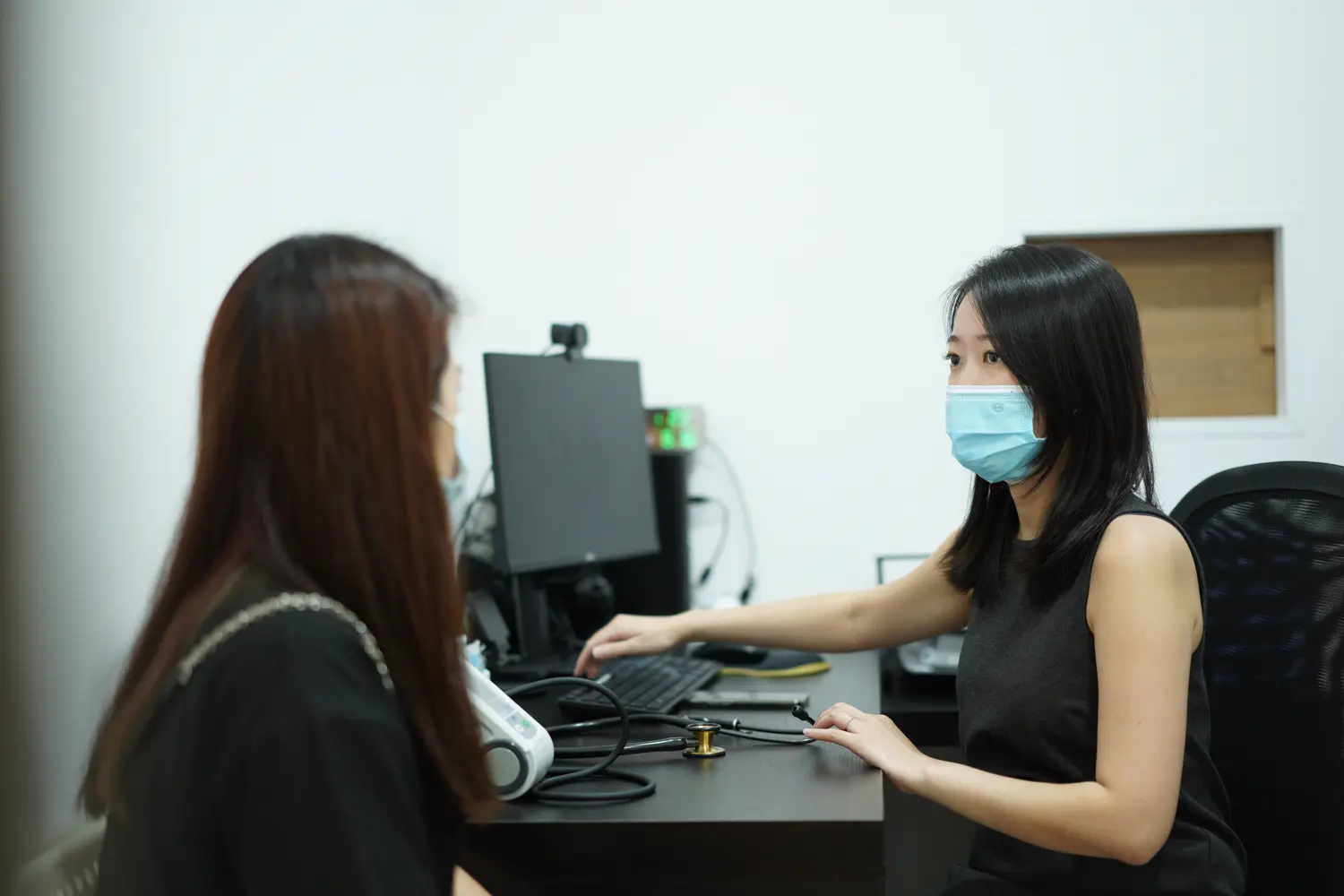
Female Sonographer
Our Ultrasound Scans are done by a female sonographer.MediSave-Claimable
Our clinics are MediSave-accredited. MediSave may be used for eligible scans, subject to the relevant criteria.One Stop Medical Centre
We are a one-stop health screening centre with Chest X-Ray, Mammogram, and Ultrasound Scan.How Do I Make an Appointment?
ATA Medical @ Tanjong Pagar
Sat: 8:30 AM – 12:30 PM
Sun & PH: Closed
Last appt: 5:15 PM (Mon–Fri), 12:15 PM (Sat)
ATA Medical @ Orchard
Sat: 8:30 AM – 12:30 PM
Sun & PH: Closed
Last appt: 5:15 PM (Mon–Fri), 12:15 PM (Sat)
ATA Medical @ Jurong
Sat: 8:30 AM – 12:30 PM
Sun & PH: Closed
Last appt: 5:15 PM (Mon–Fri), 12:15 PM (Sat)
ATA Medical @ Novena
Sat: 8:30 AM – 12:30 PM
Sun & PH: Closed
Last appt: 5:15 PM (Mon–Fri), 12:15 PM (Sat)