

Private & Confidential STD Testing in Singapore
Take Control of Your Sexual Health
- Results within 24 to 48 hours for most tests
- Consultation from $49.05 with transparent pricing
- Judgement-free care from board-certified doctors
- Individual tests and comprehensive screening packages available

Last updated: Sep 23, 2026
What Is an STD Test?
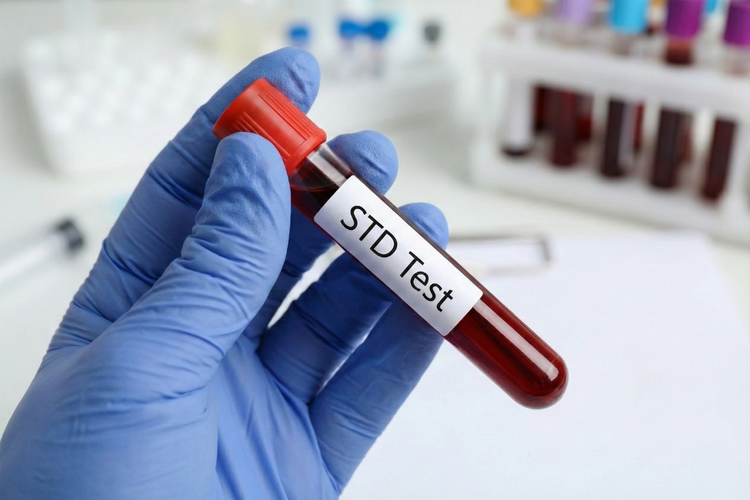
An STD test is a medical screening that checks a blood, urine or swab sample for sexually transmitted infections (STIs). Many STDs cause no symptoms for months or years, so testing is often the only way to know whether you have one, and finding an infection early means treatment can start before complications develop.
At ATA Medical, we screen for common STDs such as:
Testing is also available for less common STDs and related infections, including:
- Candidiasis
- Chancroid
- Cytomegalovirus (CMV)
- Gardnerella vaginalis
- Lymphogranuloma venereum
- Mycoplasma genitalium
- Ureaplasma
Our friendly doctors can recommend specific tests based on your sexual history, symptoms, and risk factors.
Why Get Tested for STDs?
1. Reduce Risk of Complications
2. Asymptomatic Infections
3. Protect Your Partners
4. Peace of Mind
— Dr Leonard Leng
Who Should Get Tested for STDs?
Anyone who is sexually active should consider regular STD screening, regardless of whether symptoms
are present. Testing is particularly important if you have had unprotected sex, multiple
partners, or a partner who has tested positive for an STD.
You should also get tested if you:
- Are starting a new sexual relationship
- Have experienced symptoms such as unusual discharge, sores, rash or pain during urination
- Are pregnant or planning pregnancy (typically included in pre-natal screenings)
- Have shared needles or injection equipment
Common STD Symptoms

Many STDs cause no symptoms at all, which is why regular testing is essential. When symptoms do appear, they vary depending on the infection but may include:
- Unusual discharge from the penis, vagina, or rectum
- Pain or burning during urination
- Itching or irritation in the genital area
- Sores, blisters, or ulcers on or around the genitals, mouth, or rectum
- Pain during sex
- Rash on the body, palms, or soles of feet
- Swollen lymph nodes in the groin
- Flu-like symptoms (fever, fatigue, body aches)
Symptoms may appear within days of exposure or take weeks to develop, depending on the STD. Some infections, such as chlamydia and gonorrhoea, are often asymptomatic, particularly in women.

— Dr Jana Lim
When to Get Tested for STDs: Understanding Window Periods
The STD window period is the time between potential exposure and when a test can accurately detect an infection. Testing too early may produce a false negative result, so timing matters.
| STD | Window Period |
|---|---|
| Chlamydia | 24 hours to 6 days |
| Gonorrhoea | 24 hours to 6 days |
| HIV | 14 days |
| Syphilis | 3 to 6 weeks |
| Herpes (HSV) | 4 to 6 weeks |
| Hepatitis B | 6 weeks |
How Often Should You Get Tested for STDs?
Routine STD screening every 6 to 12 months is generally recommended for sexually active individuals. Your doctor may suggest more frequent testing depending on factors such as sexual activity, number of partners, and consistent use of protection.
What to Expect During Your STD Test
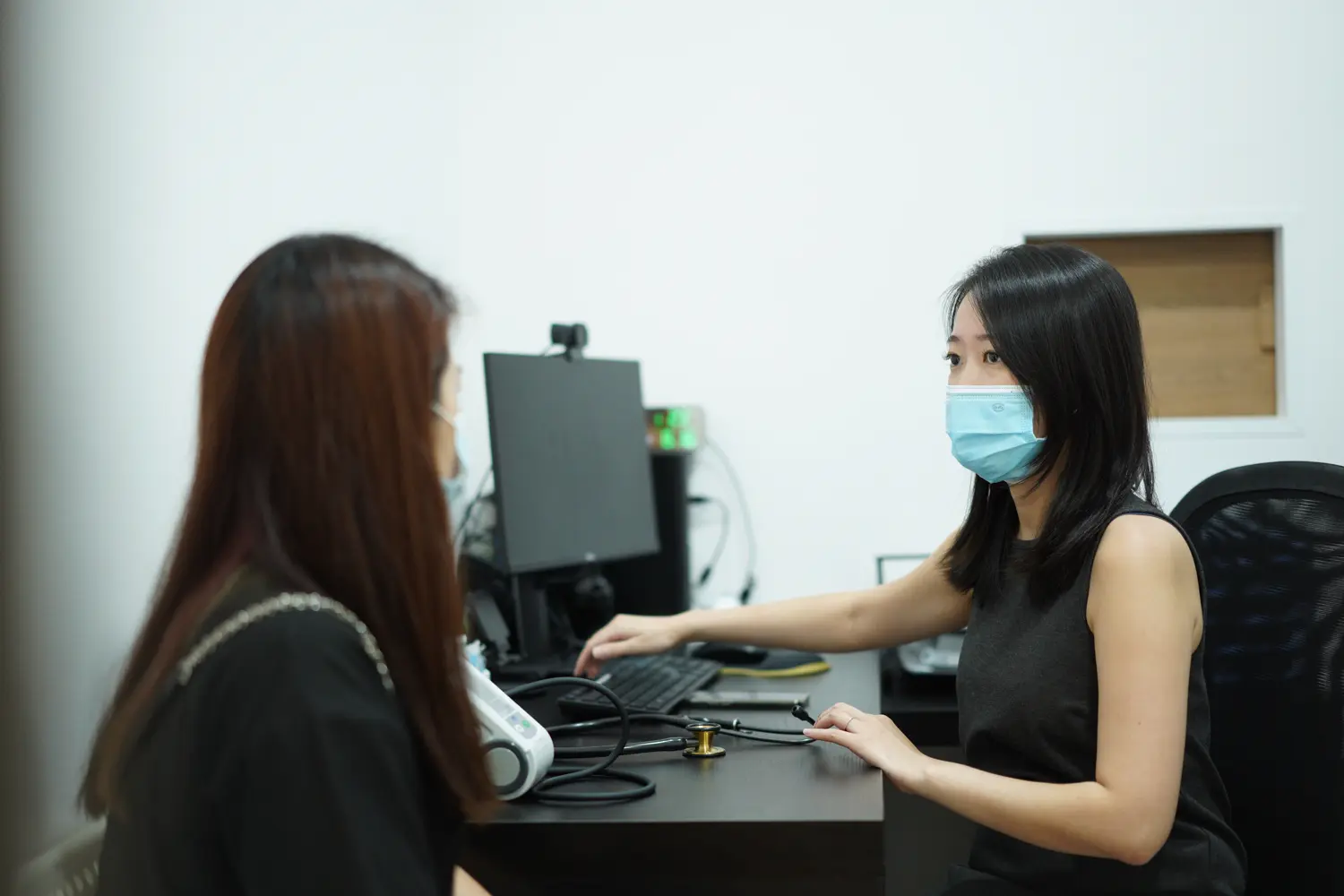
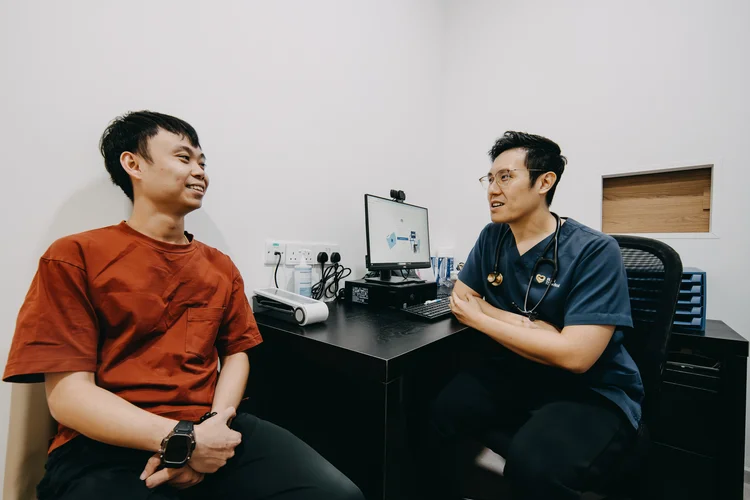
The testing process is straightforward and typically takes 15 to 30 minutes.
-
1
Consultation
A brief review of your sexual history, symptoms, and any specific concerns helps determine which tests are appropriate for you. -
2
Sample Collection
Depending on the tests required, you may need to provide a blood sample, urine sample, or undergo a swab collection (genital, rectal, or throat). -
3
Results
Your results will typically be ready within a few days depending on the type and number of tests.
Understanding Your STD Test Results
STD test results are reported as negative (no infection detected), positive (infection detected), or inconclusive (requiring repeat testing).
- Negative results mean no infection was detected at the time of testing. If you tested within a window period, retesting after sufficient time has passed may be recommended.
- Positive results will prompt a discussion of treatment options. Your doctor will explain the condition, recommend appropriate treatment, and advise on any precautions to take during recovery. Early detection generally leads to better treatment outcomes.
Can STD Tests Be Wrong?
STD tests are generally reliable, but no test is 100% accurate. The most common reason for incorrect results is testing too early, before the window period has passed. Other factors that can affect accuracy include sample quality and whether the correct test site was swabbed.
| Test Type | Common Uses | Sensitivity | Specificity |
|---|---|---|---|
| Urine test | Chlamydia, gonorrhoea | 44–100% (women), 89–100% (men) | 96–100% |
| Blood test | HIV, syphilis, hepatitis | 61–100% (syphilis), 93–100% (HIV) | 94–100% |
| Swab test | Chlamydia, gonorrhoea, herpes | 89–100% | 95–100% |
What Is the Cost of STD Testing in Singapore?
At ATA Medical, we provide STD testing as individual tests or screening packages, with prices as follows:
| Test | Type | Price* |
|---|---|---|
| HPV Test (DNA with Genotype 16 & 18) | Swab | From $0 to $221.27 (depending on CHAS subsidies) |
| Syphilis Antibody (Syphilis TP Ab) | Blood | $21.80 |
| Hepatitis Bs - Antibody (HBsAb) / Antigen (HBsAg) | Blood | $13.08 |
| HIV Ag/Ab | Blood | $21.80 |
| Herpes Simplex IgG Antibody (Type 1 or 2) | Blood | $41.42 |
| Hepatitis B Core - Total Antibody / IgM Antibody | Blood | $43.60 |
| Hepatitis Be - Antibody (HBeAb) / Antigen (HBeAg) | Blood | $43.60 |
| Hepatitis C Antibody (Anti-HCV) | Blood | $44.69 |
| Herpes Zoster | Blood | $49.05 |
| Urogenital Mycoplasma | Swab | $65.40 |
| Chlamydia & Gonorrhoea PCR | Swab / Urine (Male) | $174.40 |
| Herpes Simplex Type 1 & 2 (PCR) | Swab (Oral or Genital) | $220.18 |
| General Screening Packages | ||
|
Safe Screen 1 (3 tests) HIV, Syphilis, Hepatitis B |
Blood | $58 |
|
Safe Screen 2 (4 tests) HIV, Syphilis, Hepatitis B, Hepatitis C |
Blood | $98 |
|
Safe Screen 3 (6 tests) HIV, Syphilis, Hepatitis B, Hepatitis C, Herpes Simplex Virus 1 and 2 |
Blood | $148 |
|
Essential (8 tests) HIV, Syphilis, Hepatitis B, Hepatitis C, Herpes Simplex Virus 1 and 2, Chlamydia PCR, Gonorrhoea PCR |
Blood and Swab (Female) / Urine (Male) | $288 |
| For Females | ||
|
Basic Female Genital Screen (5 tests) Chlamydia PCR, Gonorrhoea PCR, Monilia / Candida, Gardnerella Vaginosis, Trichomonas |
Swab | $268 |
|
Enhanced Female Genital Screen (9 tests) Chlamydia, Gonorrhoea, Mycoplasma genitalium, Mycoplasma hominis, Trichomonas, Ureaplasma parvum, Ureaplasma urealyticum, Monilia / Candida, Gardnerella Vaginosis |
Swab | $348 |
|
Complete Female STD Screen (15 tests) HIV, Syphilis, Hepatitis B, Hepatitis C, Herpes Simplex Virus 1 and 2, Chlamydia, Gonorrhoea, Mycoplasma genitalium, Mycoplasma hominis, Trichomonas, Ureaplasma parvum, Ureaplasma urealyticum, Monilia / Candida, Gardnerella Vaginosis |
Blood Test + Swab | $478 |
| For Males | ||
|
Male Genital Screen (8 tests) Chlamydia, Gonorrhoea, Mycoplasma genitalium, Mycoplasma hominis, Trichomonas, Ureaplasma parvum, Ureaplasma urealyticum, Monilia / Candida |
Urine | $318 |
|
Complete Male STD Screen (14 tests) HIV, Syphilis, Hepatitis B, Hepatitis C, Herpes Simplex Virus 1 and 2, Chlamydia, Gonorrhoea, Mycoplasma genitalium, Mycoplasma hominis, Trichomonas, Ureaplasma parvum, Ureaplasma urealyticum, Monilia / Candida |
Blood + Urine | $428 |
| Both Males and Females | ||
|
Genital Ulcer PCR Testing (7 tests) Herpes Simplex Virus 1 and 2, Haemophilus Ducreyi (Chancroid), Cytomegalovirus, Lymphogranuloma Venereum, Treponema Pallidum (Syphilis), Varicella Zoster Virus |
Swab | $318 |
|
Enhanced Genital Ulcer Testing (18 tests)
Blood: HIV, Syphilis, Hepatitis B, Hepatitis C Ulcer PCR Swab: Herpes Simplex Virus 1 and 2, Haemophilus Ducreyi (Chancroid), Cytomegalovirus, Lymphogranuloma Venereum, Treponema Pallidum (Syphilis), Varicella Zoster Virus Urine / Genital Swab for Males, Genital Swab for Females: Chlamydia, Gonorrhoea, Mycoplasma genitalium, Mycoplasma hominis, Trichomonas, Ureaplasma parvum, Ureaplasma urealyticum |
Blood + Swab | $538 |
^Prices last updated on Mar 31, 2026. While every effort is made to keep pricing information up to date, please contact our team to confirm the latest rates.
For a more comprehensive health assessment, consider our health screening packages, which can include STD testing alongside other routine checks.
STD Treatment in Singapore
Treatment for STDs depends on the type of infection. Bacterial and parasitic STDs can be cured with antibiotics, while viral STDs require long-term management with antiviral medication. Early treatment improves outcomes and reduces the risk of complications or transmission.
| Treatment Outcome | STDs |
|---|---|
| Curable with antibiotics or antivirals | Chlamydia, gonorrhoea, syphilis, trichomoniasis, chancroid, lymphogranuloma venereum, mycoplasma genitalium, hepatitis C |
| Manageable with long-term medication | HIV, hepatitis B, herpes (HSV-1, HSV-2), varicella zoster virus, cytomegalovirus |
| Treated only if symptomatic | Mycoplasma hominis, ureaplasma parvum, ureaplasma urealyticum |
Completing the full course of medication is essential for curable STDs, even if symptoms resolve early. For manageable STDs, consistent treatment allows individuals to lead healthy lives and significantly reduces transmission risk.
Find STD Testing Near Me
ATA Medical @ Tanjong Pagar
Sat: 8:30 AM – 12:30 PM
Sun & PH: Closed
Last appt: 5:15 PM (Mon–Fri), 12:15 PM (Sat)
ATA Medical @ Orchard
Sat: 8:30 AM – 12:30 PM
Sun & PH: Closed
Last appt: 5:15 PM (Mon–Fri), 12:15 PM (Sat)
ATA Medical @ Jurong
Sat: 8:30 AM – 12:30 PM
Sun & PH: Closed
Last appt: 5:15 PM (Mon–Fri), 12:15 PM (Sat)
ATA Medical @ Novena
Sat: 8:30 AM – 12:30 PM
Sun & PH: Closed
Last appt: 5:15 PM (Mon–Fri), 12:15 PM (Sat)