

Ear Wax Removal Singapore

Last updated: Sep 27, 2026
| Treatment | Ear Wax Removal |
| How It Works |
|
| Price |
|
| Appointment Options |
Same-day appointment (subject to availability). Book via WhatsApp: 88750352 or email: jurong@atamed.sg |
| Clinic Locations | Jurong: 21 Jurong Gateway Rd, #02-08 CPF Jurong Building, S608546 |
| Age Requirement | Patients must be at least 16 years old to undergo ear syringing at our clinics. |
What Is Ear Wax and How Does It Form?
Ear wax, medically known as cerumen, is a natural
substance formed when glands in your ear canal secrete oils that combine with dead skin
cells and hair. It helps to trap dust and bacteria before they reach the eardrum and keeps
the canal lubricated to prevent dryness and irritation.
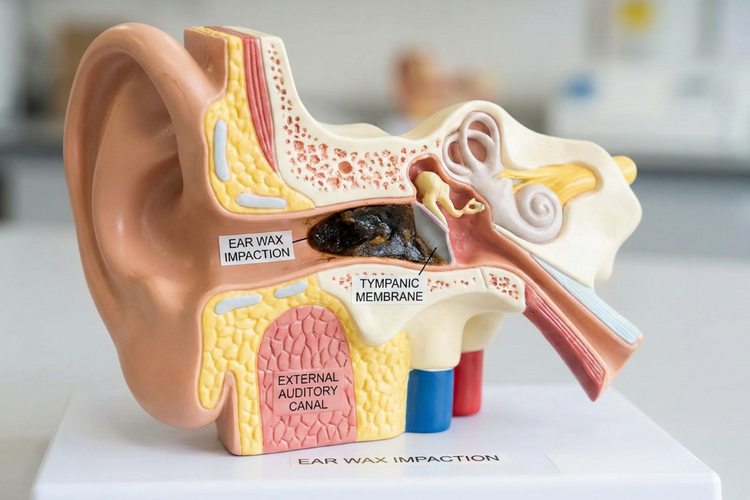
Ear wax usually migrates
outward and falls away on its own, but when it accumulates faster than it can be
expelled, the result is impaction, where wax packs tightly against the eardrum
and forms a blockage your ear cannot clear on its own.
Why You Might Need Ear Wax Removal
When wax builds up and hardens against the eardrum, it can muffle your hearing, create
persistent discomfort, and even affect your balance.
Professional ear wax removal offers several benefits:
- Immediate improvement in hearing clarity
- Relief from pressure, fullness, or discomfort in the ear
- Reduction of tinnitus (ringing or buzzing sounds in the ear) or dizziness caused by blockage
- A clear view of your ear canal and eardrum, allowing your doctor to check for any underlying issues
For hearing aid users, regular wax removal helps maintain device performance and prevents damage caused by wax buildup.
Signs You May Need Professional Ear Wax Removal
Ear wax buildup often develops gradually, meaning you may not notice symptoms until significant
blockage has occurred. The most common indication is a noticeable reduction in hearing,
particularly in one ear.
Other signs that suggest you may benefit from ear wax removal include:
- A sensation of fullness or pressure in the ear
- Earache or discomfort without signs of infection
- Tinnitus (ringing, buzzing, or humming sounds)
- Itchiness deep within the ear canal
- Dizziness or a feeling of imbalance
- A persistent cough triggered by ear canal stimulation
What Causes Excessive Ear Wax Buildup?
Several factors can contribute to ear wax accumulation beyond normal levels. Some individuals naturally produce more cerumen than others due to genetics, while certain lifestyle habits, environmental conditions, and medical conditions can accelerate buildup.
Anatomical Factors
Narrow or unusually shaped ear canals make it more difficult for wax to exit naturally. As you age, ear wax also tends to become drier and harder, reducing its ability to migrate outward.
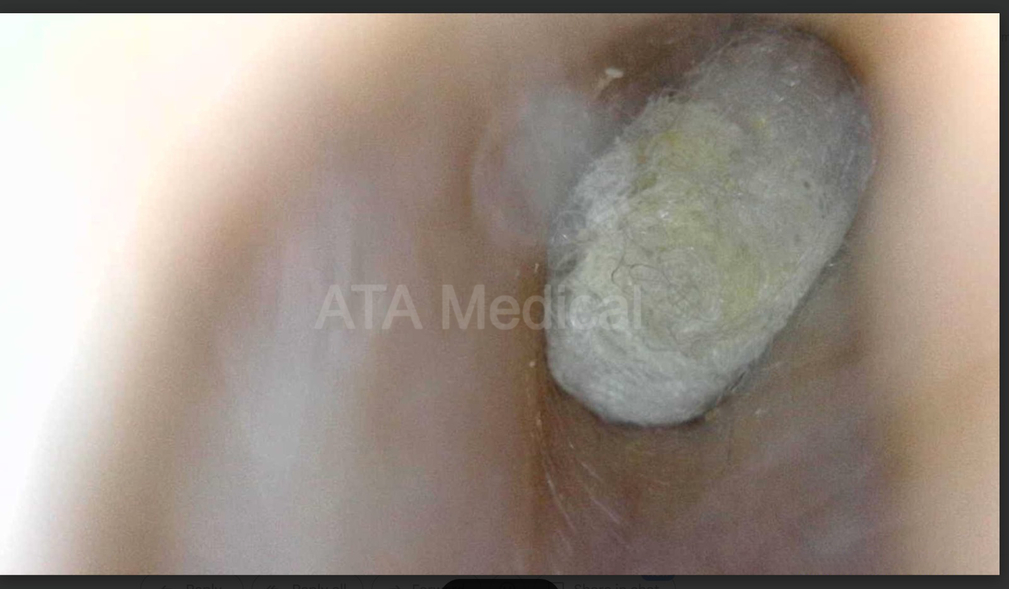
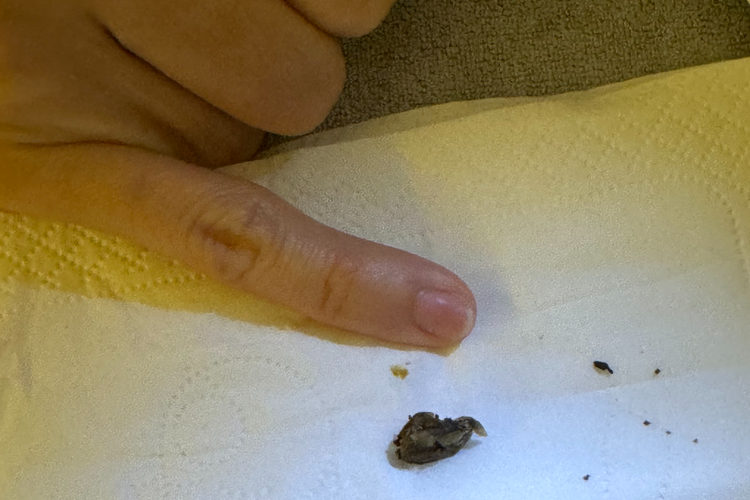
Otoscope view — cotton fibres lodged against the eardrum following cotton bud use.
Lifestyle and Environmental Factors
Cotton bud use remains the most common cause of impacted ear wax. Rather
than removing wax, cotton buds push it deeper into the ear canal where it compacts against
the eardrum.
In Singapore's humid tropical climate, increased sweating can mix with ear wax and cause it
to expand, potentially accelerating blockage. Regular use of in-ear headphones, earplugs, or
hearing aids also interferes with the ear's natural cleaning mechanism.
Medical Conditions
Certain health conditions can predispose you to recurrent buildup. Skin conditions such as eczema, psoriasis, or dermatitis can alter wax production and consistency. Diabetes may change ear wax composition, while previous ear surgery or radiation therapy to the head and neck may compromise your ear canal's ability to self-clean.
How Is Ear Wax Removed Professionally?
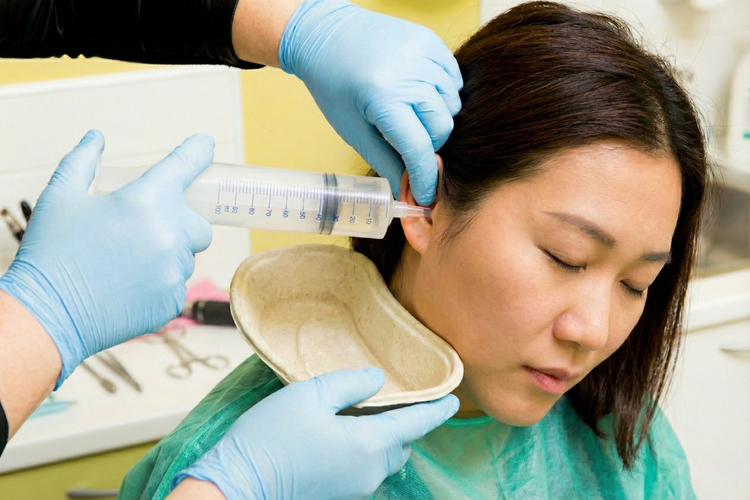
Three primary techniques are used for professional ear wax removal: microsuction, ear
irrigation (syringing), and manual extraction with instruments.
Each method has distinct characteristics, and the most appropriate choice depends on your ear
anatomy, the nature of the blockage, and your medical history.
- Microsuction uses a small vacuum device to gently suction wax from the ear canal under direct visualisation with a microscope or otoscope.
- Ear Irrigation (Syringing) uses a controlled stream of warm water to flush out accumulated wax. This method may not be suitable if you have a perforated eardrum, active ear infection, previous ear surgery, or grommets (small tubes inserted into the eardrum) in place. At ATA Medical, patients must be at least 16 years old to undergo ear syringing.
- Manual Extraction uses specialised instruments such as curettes, forceps, or hooks to physically remove visible wax under direct visualisation.
In some cases, a combination of these techniques may be used to remove stubborn or deeply impacted wax more efficiently, while minimising irritation to the ear canal and improving overall clearance.
Is Ear Wax Removal Painful?
Professional ear wax removal is generally well tolerated and most patients describe
the experience as uncomfortable rather than painful. The degree of sensation
depends on how impacted the wax is, the method used, and individual sensitivity.
You may feel pressure, hear loud noises, or experience brief moments of mild discomfort during the
procedure, but this typically resolves immediately once complete. Let your doctor know if you are
anxious about discomfort beforehand, or if you experience sharp pain during the procedure.
Ear Wax Removal at ATA Medical
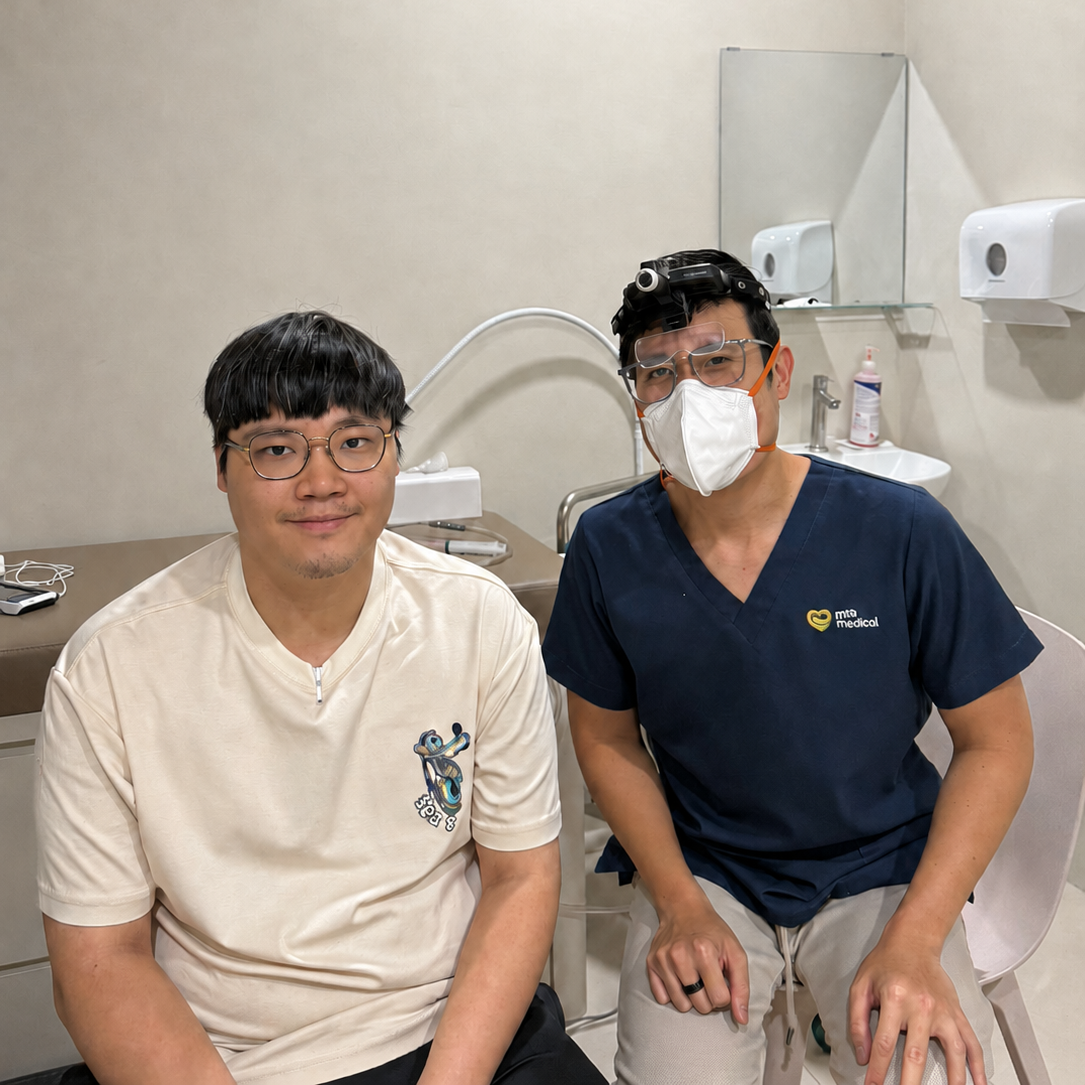
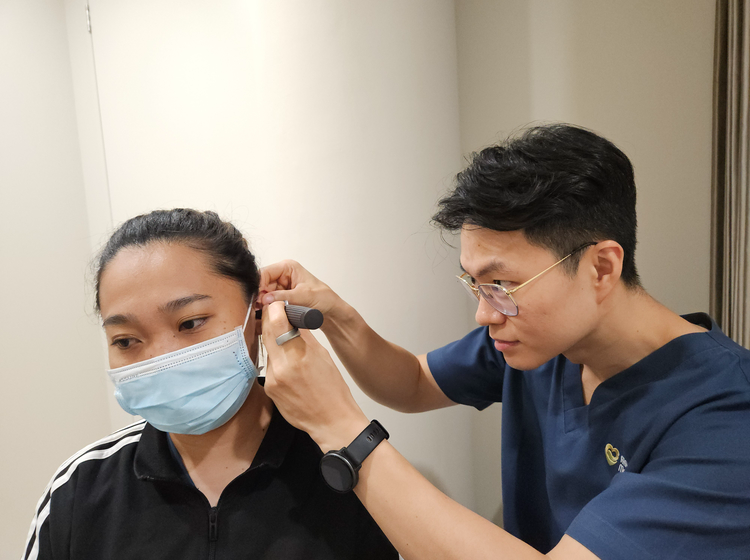
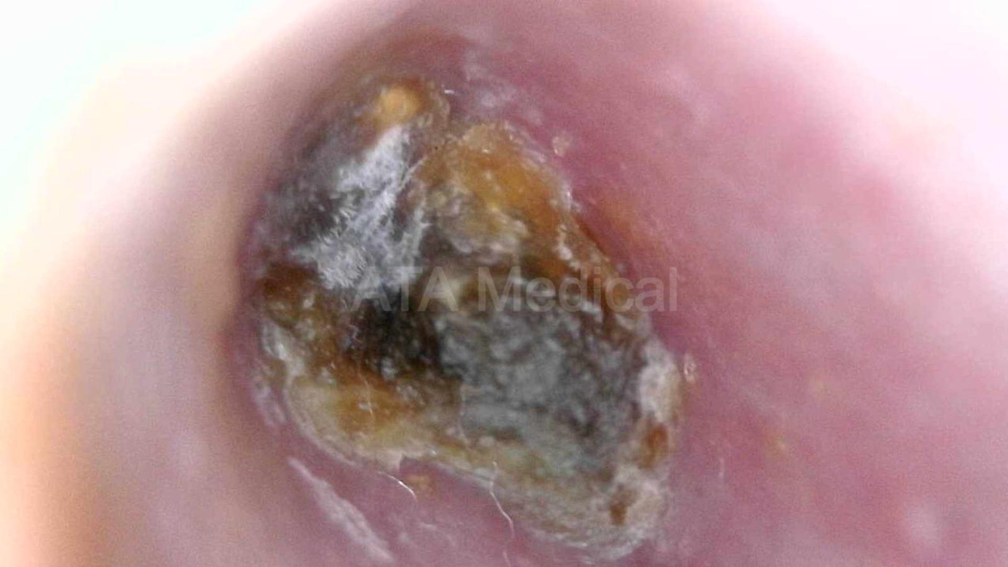
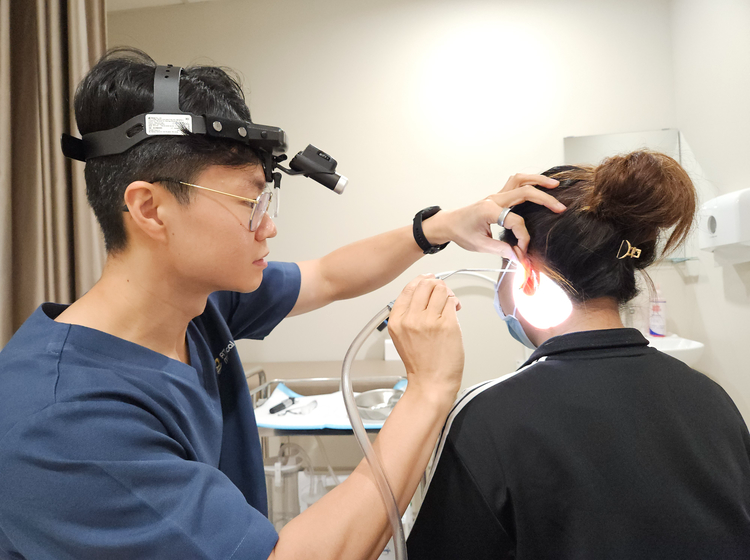
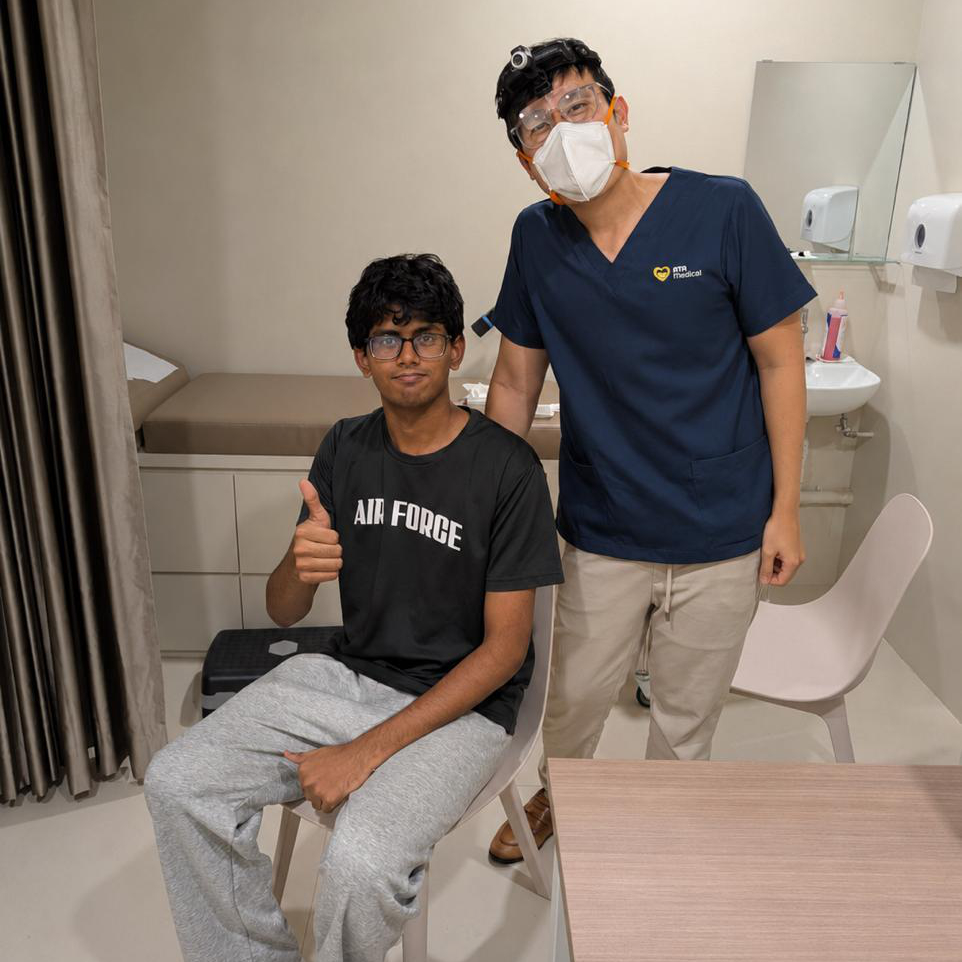
Each procedure begins with an otoscope examination to assess the type and extent of wax impaction before the appropriate technique is selected. The images below show what a typical ear wax removal session looks like at ATA Medical.
After Your Ear Wax Removal: Recovery and Aftercare
Most people can resume normal activities immediately after ear wax removal,
though your ear may feel slightly sensitive for a few hours. You may notice that sounds seem
louder or sharper than before, which is simply your ear adjusting to hearing without
obstruction.
You can shower and wash your hair on the same day, taking care to avoid directing water
forcefully into your ear canal. Swimming is generally acceptable 24 to 48 hours after the
procedure, provided no complications occurred. You can also fly as normal after routine ear
wax removal.
Always follow any specific aftercare instructions provided by your doctor.
When to Seek Further Advice
Contact your doctor if you experience persistent pain, bleeding, discharge with an unpleasant odour, dizziness that does not resolve, sudden worsening of hearing, or fever. These symptoms are uncommon but warrant prompt evaluation.
How Often Should You Get Ear Wax Removed?
There is no universal schedule for ear wax removal because wax production varies
significantly between individuals. Most people never require professional intervention, while others
may need removal every six to twelve months.
If you have experienced impaction once, you may be more likely to experience it again, particularly
if you have narrow ear canals, use hearing aids, or naturally produce excessive wax. Your doctor can
advise on an appropriate maintenance routine based on your history.
What Is the Price of Ear Wax Removal in Singapore?
At ATA Medical, we provide ear wax removal using ear irrigation and microsuction at our Jurong clinic, with prices as follows:
| Treatment | Price* |
|---|---|
| Consultation (includes otoscope examination of the ear canal) | From $49.05 |
| Ear Irrigation (Syringing) + Microsuction – 1 Ear | $65.40 |
| Ear Irrigation (Syringing) + Microsuction – 2 Ear | $103.55 |
^Prices last updated on May 07, 2026. While every effort is made to keep pricing information up to date, please contact our team to confirm the latest rates.
Note: Every consultation includes an otoscope examination of the ear canal, so your
doctor can confirm whether wax is the cause of your symptoms and which removal method is suitable
before any procedure is carried out.
Patients must be at least 16 years old to undergo ear
syringing at our clinics.
For patients with harder or deeply impacted wax, we may recommend using a wax softener such as
Cerumol for about one week before the procedure to help loosen the wax and make removal easier.
How to Book an Appointment For Ear Wax Removal?
ATA Medical @ Jurong
Sat: 8:30 AM – 12:30 PM
Sun & PH: Closed
Last appt: 5:15 PM (Mon–Fri), 12:15 PM (Sat)