

Heart Specialist Singapore
Visiting Cardiologist

Dr Paul Lim
Cardiac Electrophysiologist
MBBS (Singapore), M.Med (Int Med), MRCP (UK),
FAMS (Cardiology), FESC (Europe), FACC (USA), FHRS (USA)
Special interests:
Languages:
English, Mandarin, Basic Malay
Dr Paul Lim is a senior consultant cardiologist and cardiac electrophysiologist with over 22 years of clinical experience. He holds a Bachelor of Medicine and Surgery (MBBS) and Master of Medicine in Internal Medicine from the National University of Singapore (NUS), and is a Member of the Royal College of Physicians (UK).
At a Glance
I treat every patient the way I would want my own family to be treated — with honesty, care, and evidence-based medicine. I take time to understand each person's concerns and explain things clearly, so we can work together on a plan they feel confident about.
I treat every patient the way I would want my own family to be treated — with honesty, care, and evidence-based medicine. I take time to understand each person's concerns and explain things clearly, so we can work together on a plan they feel confident about.
Dr Paul Lim | Senior Consultant Cardiologist
A heart specialist, also known as a cardiologist, is a medical doctor who
specialises in diagnosing and treating conditions of the heart and cardiovascular system.
Whether you are experiencing symptoms such as chest pain, palpitations, or breathlessness, or
simply wish to undergo a cardiac screening for peace of mind, consulting a
heart specialist is an important step in safeguarding your cardiovascular health.
At ATA Medical, our visiting senior consultant cardiologist consults on-site at our Singapore
clinics, providing heart specialist consultations and cardiac screening alongside our family
physicians for continuity of care.
Cardiovascular Disease in Singapore
Heart disease remains one of the leading causes of death in Singapore. Early screening and timely intervention can make a significant difference.
Why Choose Us
Experienced Cardiologist
Over 22 years of clinical experience with fellowships from the UK & SG.
Seamless GP-to-Specialist Care
Our GPs and cardiologist work together for continuity from screening to specialist follow-up.
Comprehensive Heart Screening
Wide range of cardiac screening services for all your heart health needs.
Convenient Locations
Visit us at our Orchard or Jurong clinics, both within walking distance of MRT stations.
Common Heart Conditions We Screen & Manage
Our team provides consultation, screening, and management for a wide range of cardiovascular conditions, including:
Heart Rhythm Disorders (Arrhythmias)
Arrhythmias occur when the heart beats too fast, too slow, or irregularly. These include atrial fibrillation (AF), atrial flutter, supraventricular tachycardia (SVT), and ventricular tachycardia (VT). Left untreated, they can increase the risk of stroke and heart failure.
Coronary Artery Disease (CAD)
Coronary artery disease develops when the arteries supplying blood to the heart become narrowed or blocked by plaque build-up, reducing blood flow and potentially leading to chest pain (angina) or a heart attack.
Heart Failure Care
Heart failure occurs when the heart cannot pump blood efficiently enough to meet the body's needs, causing breathlessness, fatigue, and leg swelling. Our cardiologist can help with ongoing management and treatment planning to slow disease progression.
Heart Valve Disorders
Heart valve disorders occur when one or more valves do not function properly, affecting blood flow through the heart. This includes valve stenosis (narrowing) and valve regurgitation (leaking).
Hypertension (High Blood Pressure)
Hypertension occurs when the force of blood against the artery walls is consistently too high. Over time, uncontrolled high blood pressure can damage the heart and blood vessels, increasing the risk of heart disease and stroke.
Hyperlipidaemia (High Cholesterol)
Hyperlipidaemia refers to elevated levels of fats (lipids) in the blood, including cholesterol and triglycerides. High cholesterol contributes to plaque build-up in the arteries and is a major risk factor for coronary artery disease and stroke.
Our Heart Screening Services
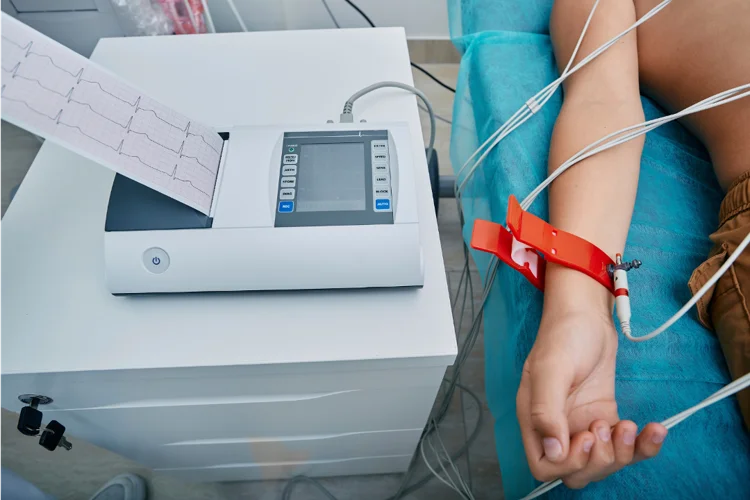
Electrocardiogram (ECG)
A quick, non-invasive test that records the heart's electrical activity to detect irregular rhythms, heart damage, and other cardiac abnormalities.
Learn More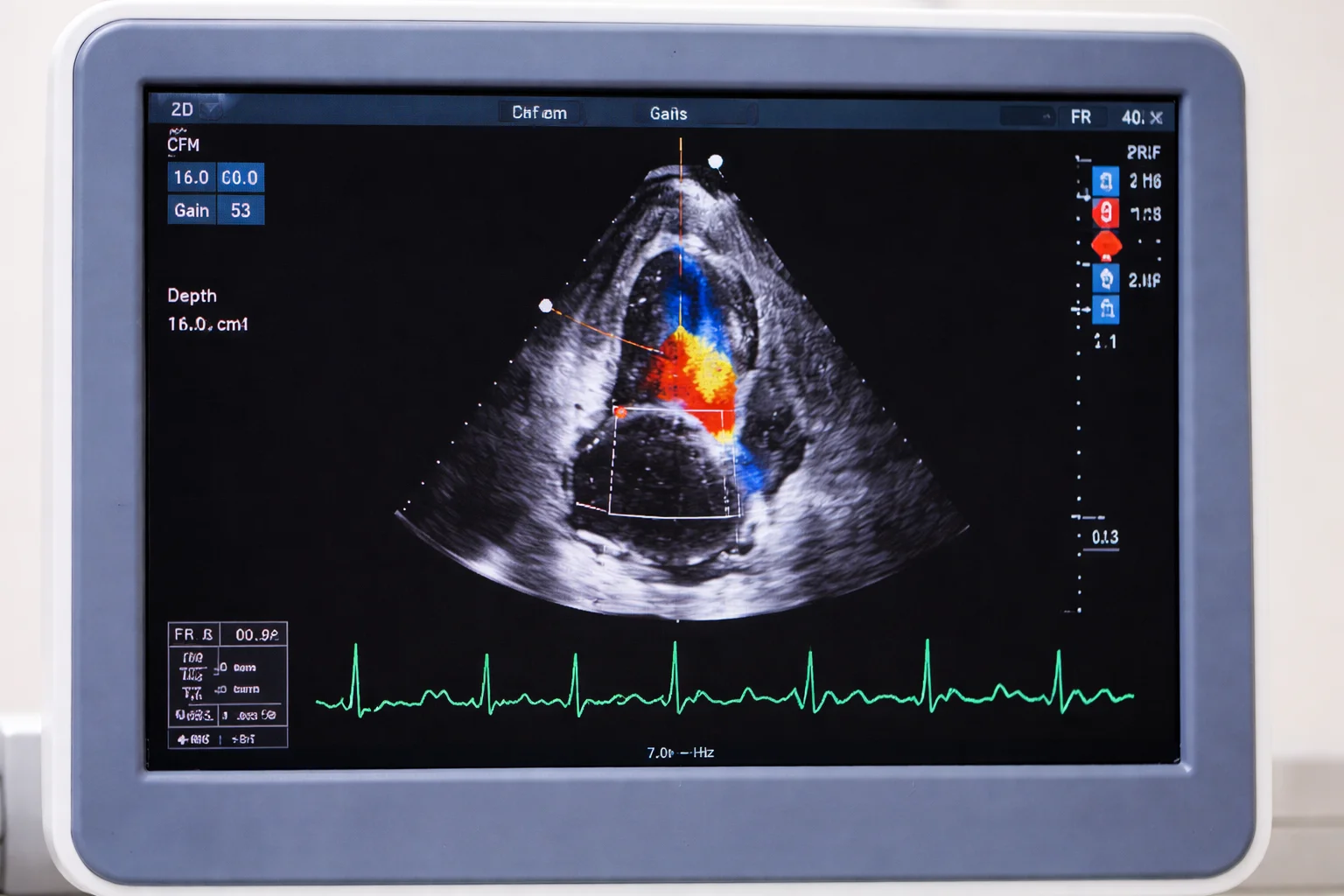
2D Echocardiogram
Uses ultrasound to produce detailed images of the heart's structure and function, evaluating how well the heart pumps and the condition of its valves.
Learn More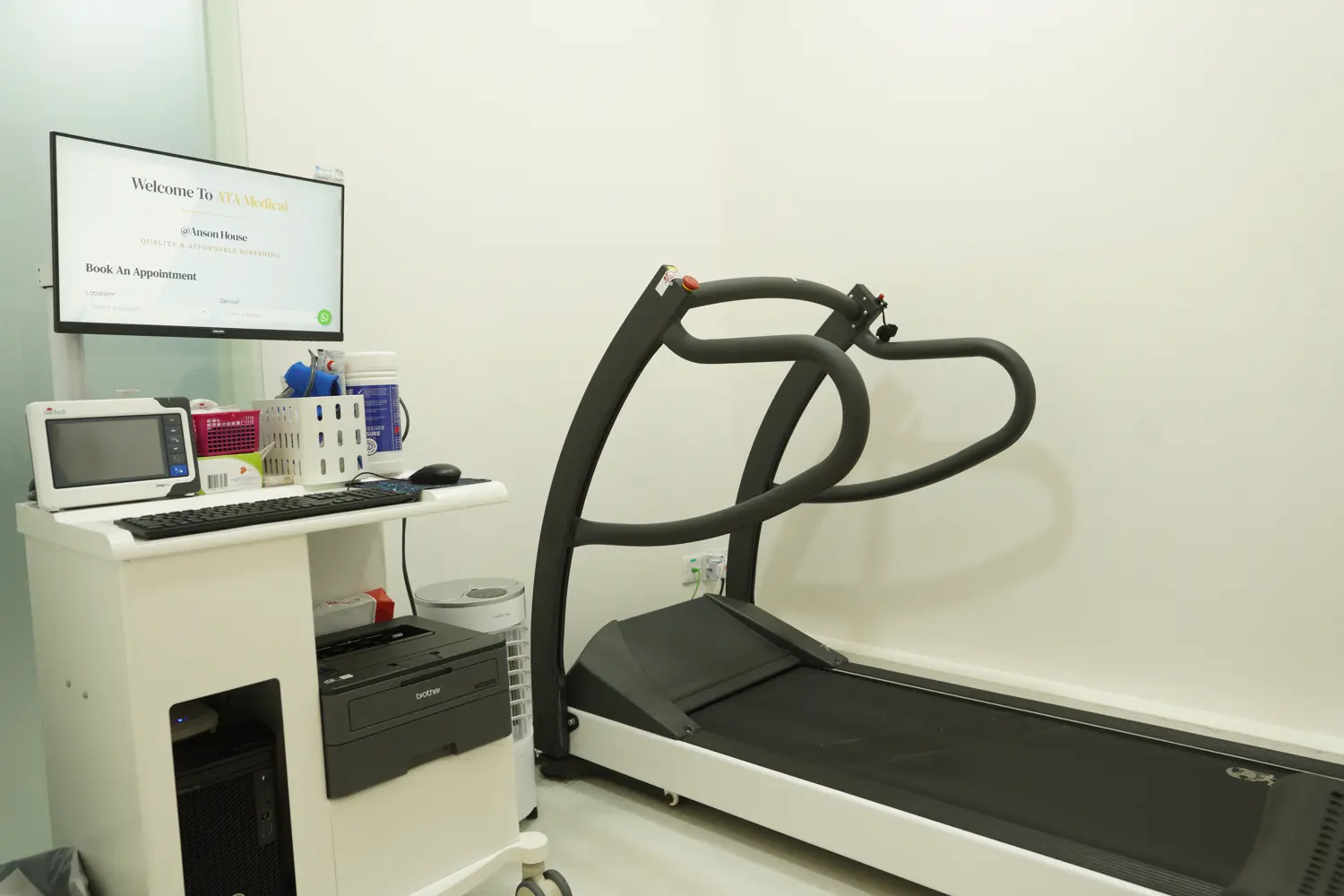
Stress Testing
Evaluates how the heart performs under physical exertion, helping identify reduced blood flow, exercise-induced arrhythmias, and other concerns not apparent at rest.
Learn More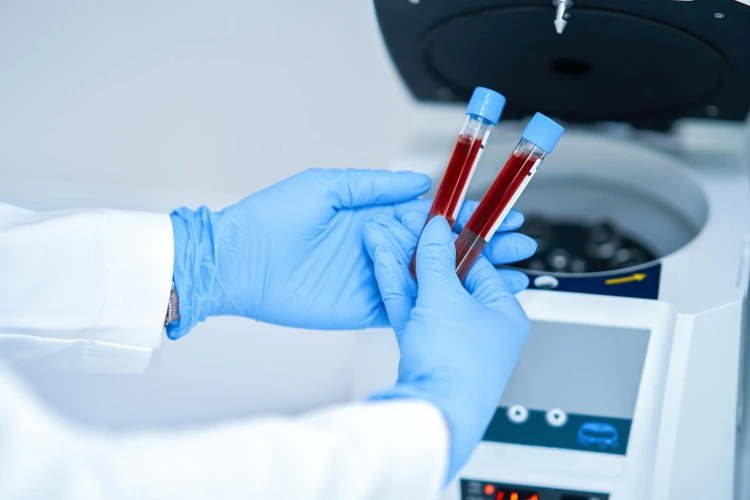
Comprehensive Blood Tests
Includes cardiac markers and a full lipid panel to assess cholesterol, triglycerides, and other indicators of cardiovascular risk.
Learn More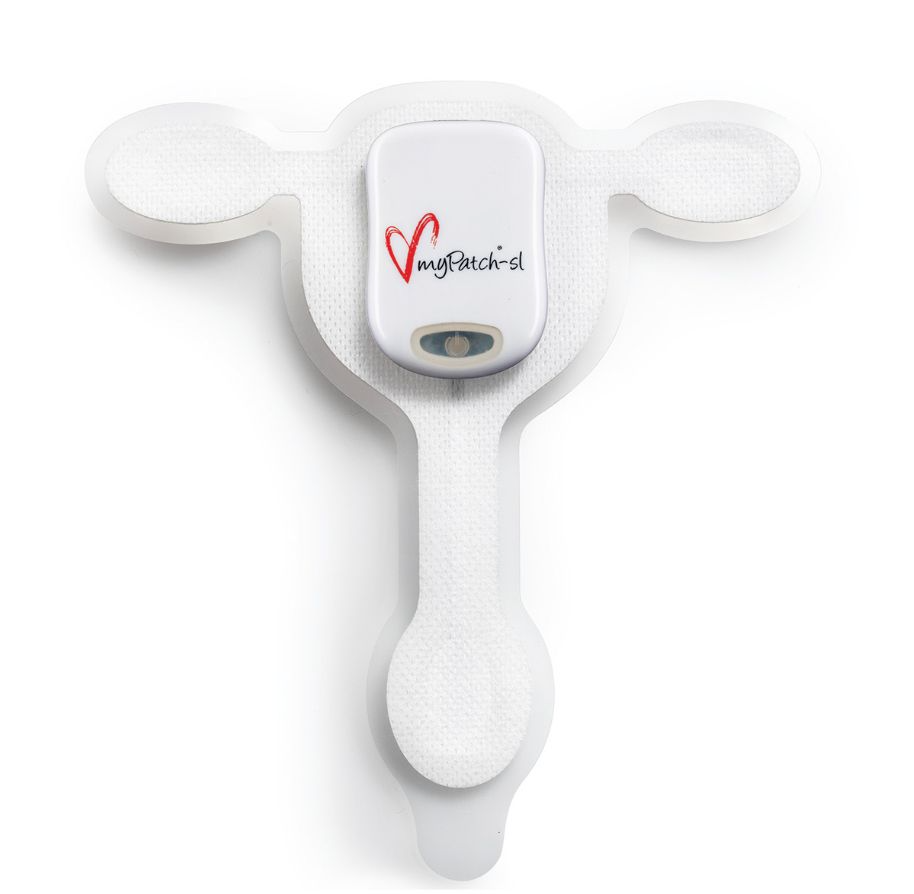
Holter Monitoring
A portable device worn for 24 to 72 hours to continuously record the heart's rhythm, useful for detecting intermittent arrhythmias.
Learn More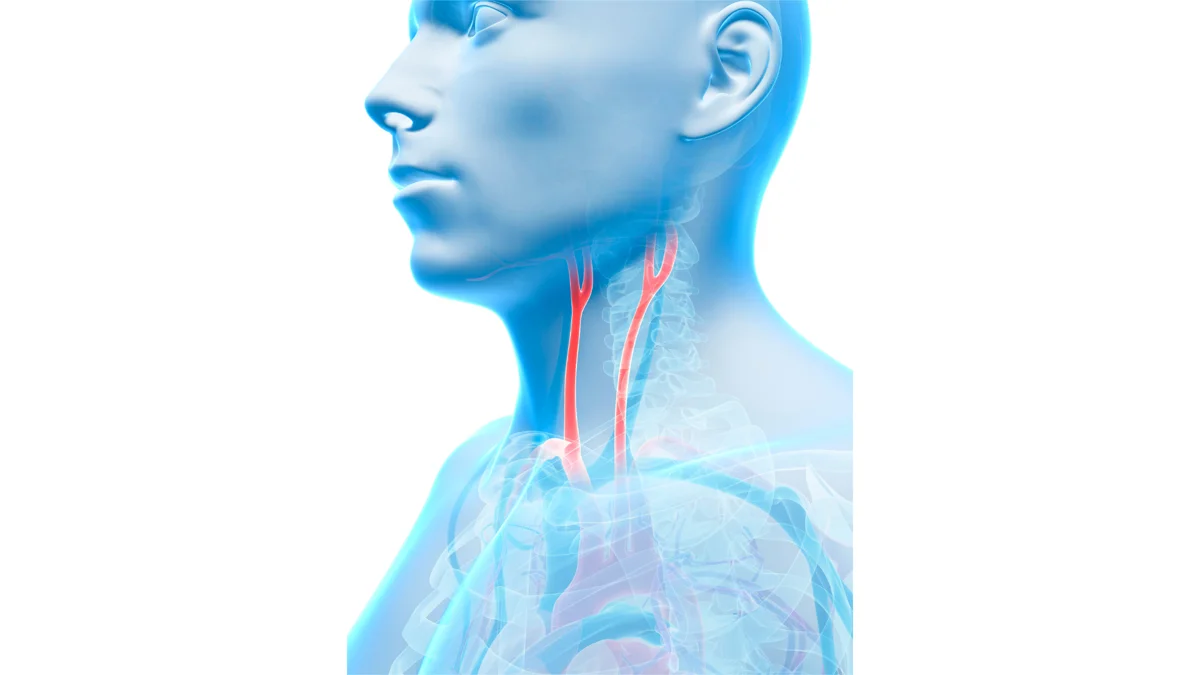
Carotid Intima-Media Thickness (CIMT)
A non-invasive ultrasound that measures the thickness of the carotid artery walls to assess early signs of atherosclerosis and cardiovascular risk.
Learn More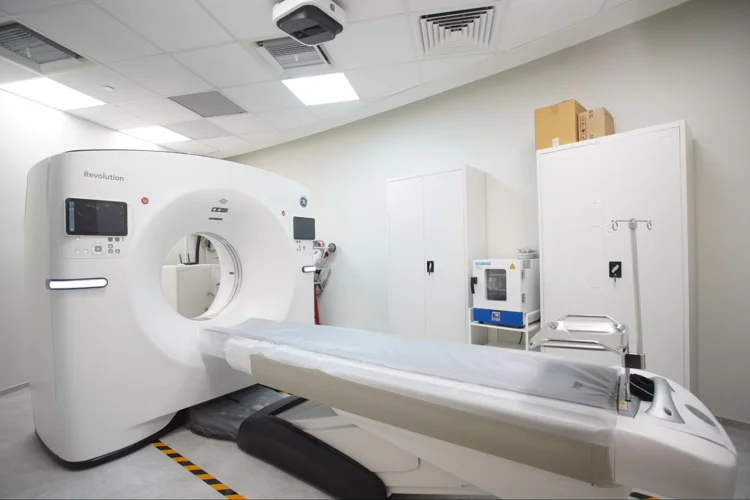
CT Calcium Score Scan
A specialised CT scan that measures calcium deposits in the coronary arteries, helping to evaluate the risk of coronary artery disease.
Learn More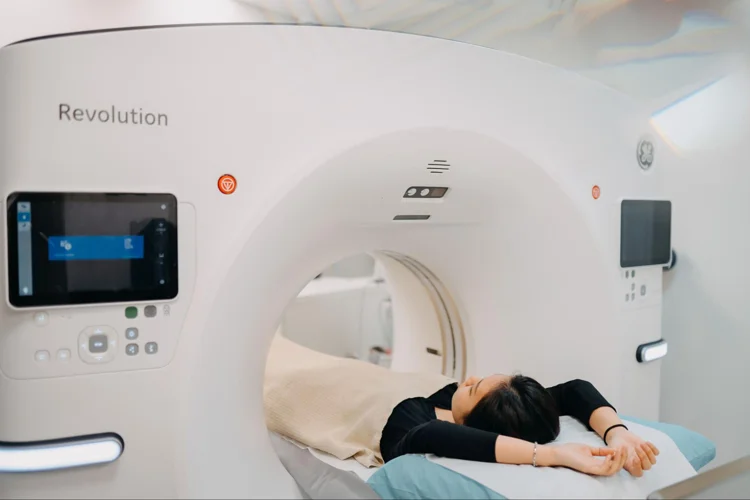
CT Coronary Angiogram (CTCA)
A detailed CT scan that produces images of the coronary arteries to detect blockages or narrowing, offering a non-invasive alternative to traditional angiography.
Learn More
Electrocardiogram (ECG)
A quick, non-invasive test that records the heart's electrical activity to detect irregular rhythms, heart damage, and other cardiac abnormalities.
Learn More
2D Echocardiogram
Uses ultrasound to produce detailed images of the heart's structure and function, evaluating how well the heart pumps and the condition of its valves.
Learn More
Stress Testing
Evaluates how the heart performs under physical exertion, helping identify reduced blood flow, exercise-induced arrhythmias, and other concerns not apparent at rest.
Learn More
Comprehensive Blood Tests
Includes cardiac markers and a full lipid panel to assess cholesterol, triglycerides, and other indicators of cardiovascular risk.
Learn More
Holter Monitoring
A portable device worn for 24 to 72 hours to continuously record the heart's rhythm, useful for detecting intermittent arrhythmias.
Learn More
Carotid Intima-Media Thickness (CIMT)
A non-invasive ultrasound that measures the thickness of the carotid artery walls to assess early signs of atherosclerosis and cardiovascular risk.
Learn More
CT Calcium Score Scan
A specialised CT scan that measures calcium deposits in the coronary arteries, helping to evaluate the risk of coronary artery disease.
Learn More
CT Coronary Angiogram (CTCA)
A detailed CT scan that produces images of the coronary arteries to detect blockages or narrowing, offering a non-invasive alternative to traditional angiography.
Learn More
Our screening tests are conducted and reviewed by our family physicians and clinic staff. If your
results indicate any abnormalities or require further evaluation, we will arrange a consultation with
our partner cardiologist for further follow-up.
If you would like to see our cardiologist directly, please let us know when booking your
appointment. For conditions or services not listed above, please
contact us to enquire further.
When Should You See a Heart Specialist?
Heart Symptoms to See a Cardiologist For
- Chest pain or discomfort, especially during physical activity
- Shortness of breath during routine activities or while lying down
- Heart palpitations or a sensation of your heart racing, fluttering, or skipping beats
- Dizziness, light-headedness, or fainting spells
- Swelling in the legs, ankles, or feet
Risk Factors for a Heart Screening
- A family history of heart disease or sudden cardiac events
- Existing risk factors such as hypertension, diabetes, high cholesterol, or a history of smoking
- Adults over 40 with no current symptoms but no recent cardiac assessment
Early consultation with a cardiologist can help detect potential issues before they become serious. If you are unsure whether you need to see a heart specialist, our family physicians can assess your condition and provide a referral where appropriate.
Heart Screening Costs in Singapore
| Test | Price* |
|---|---|
| Consultation | |
| First Consultation with Cardiologist | Jurong: $130.80 Orchard: $218 |
| Second Consultation with Cardiologist | Jurong: $98.10 Orchard: $163.50 |
| Blood Tests | |
|
Essential Lipid Profile: Full Cholesterol Test (Total, LDL, HDL, Triglycerides, HDL Ratio) |
$21.80 |
|
Cardiac Screening 3: Essential Lipid Profile + Apolipoprotein B (ApoB) + HsCRP |
$63.22 |
|
Cardiac Screening 4: Cardiac Screening 3 + Homocysteine + Fasting Insulin + Glucose Note: Fasting is required for accurate results of Fasting Insulin and Glucose. |
$172.22 |
| Lucence CardioHemeRISK Test | $2,616 |
| Cardiac Tests & Imaging | |
| ECG | $49.05 |
| Treadmill Stress Test | $218 |
| 2D Echocardiogram | $436 (Orchard & Jurong) |
| Holter Monitor (First 24 hours) | Jurong: $272.50 Orchard: $381.50 |
| Holter Monitor (each additional 24 hours) | $54.50 |
| CT Calcium Score | $403.30 |
| CT Coronary Angiogram | $1,384.30 |
| Ultrasound Carotid Intima-Media Thickness (CIMT) Test | $163.50 |
| Stroke Screen (includes MRA, COW & Carotids) | $1,231.70 |
| Packages & Add-ons | |
| Health Screening Packages with Blood Tests | From $76 |
^Prices last updated on Aug 03, 2026. While every effort is made to keep pricing information up to date, please contact our team to confirm the latest rates.
Insurer Panel for Cardiology Services




 *
*
*Extended panel.
This is not an exhaustive list. Please contact our clinic to verify coverage with your specific plan.
Looking for the Best Cardiologist in Singapore?
Choosing a cardiologist involves more than credentials alone. It is about finding a specialist whose
clinical expertise, sub-specialisation, and communication style align with your specific condition
and concerns, whether you are seeking a routine cardiac screening, managing an existing heart
condition, or looking for a second opinion.
At ATA Medical, our partner cardiologist Dr Paul Lim brings over 22 years of clinical experience
and advanced fellowship training in cardiac electrophysiology from the Barts Heart Centre in London.
He consults in English, Mandarin, and Basic Malay, and works alongside our family physicians to ensure
continuity of care from screening through to specialist follow-up.
Ultimately, the right cardiologist is one who takes the time to understand your health profile and
supports your cardiovascular care in a way that is thorough, transparent, and tailored to your needs.
Find a Cardiologist Near Me
If you're looking for a cardiology clinic in Singapore, you may consult Dr Paul Lim, by appointment, at either of our clinics:
- Orchard Clinic (Closest MRT: Orchard Boulevard TE13)
- Jurong Clinic (Closest MRT: Jurong East NS1/EW24)
Please confirm Dr Lim's availability at your preferred clinic when booking.
Note: CT scans are currently only available at our Orchard clinic.