

Sleep Apnoea Singapore

Last updated: Sep 27, 2026
What Is Sleep Apnoea?
Sleep apnoea is a condition in which breathing repeatedly stops and starts during sleep, which interrupts rest and prevents deep, restorative sleep. Each pause in breathing, called an apnoea, can last from a few seconds to over a minute, and the pauses may happen dozens or even hundreds of times a night.
Most people with sleep apnoea do not realise it is happening and often find out from a bed partner who notices loud snoring or gasping.
In Singapore, sleep apnoea is increasingly recognised as a common but underdiagnosed condition. More people are now seeking an evaluation for sleep apnoea because of factors such as rising obesity rates, an ageing population and greater awareness of sleep disorders.
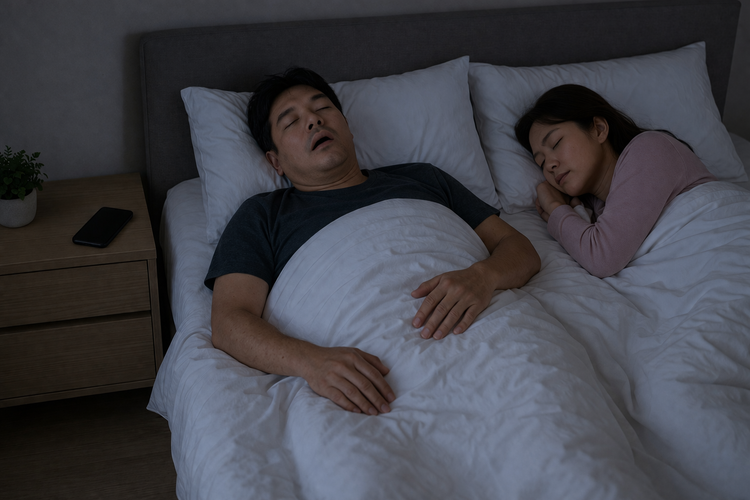
Left untreated, sleep apnoea raises the risk of serious health conditions including high blood pressure, heart disease, stroke, and type 2 diabetes.
Types of Sleep Apnoea
Sleep apnoea is categorised into three types based on what causes the breathing interruptions.
- Obstructive sleep apnoea (OSA) is the most common form and occurs when the muscles at the back of the throat relax excessively during sleep, causing the airway to narrow or close. This triggers snoring, choking, or gasping as the body works to resume breathing. In Singapore, moderate to severe OSA is estimated to affect up to 30% of the adult population.
- Central sleep apnoea (CSA) involves the brain failing to send proper signals to the muscles that control breathing. Unlike OSA, there is no physical obstruction of the airway, but the effort to breathe temporarily stops.
- Complex sleep apnoea syndrome, also called treatment-emergent central sleep apnoea, is a combination of both obstructive and central sleep apnoea. It is typically identified when OSA does not fully resolve with standard treatment.
Causes and Risk Factors of Sleep Apnoea
Several physical and lifestyle factors increase the likelihood of developing sleep apnoea. Understanding these risk factors can help you assess whether you may be affected.
| Risk Factor | How It Contributes |
|---|---|
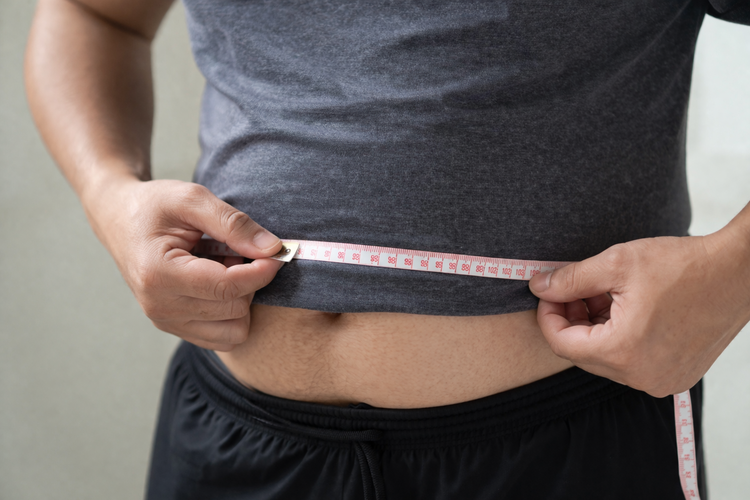
| Excess weight | Fat deposits around the upper airway narrow the breathing passage. Obesity is the strongest modifiable risk factor for OSA, and weight loss can reduce its severity. |
| Age | Throat muscle tone decreases naturally with age, making the airway more prone to collapse during sleep. |
| Sex | Men are two to three times more likely to develop sleep apnoea than women. The gap narrows after menopause due to hormonal changes that affect airway muscle tone. |
| Anatomical features | A narrow throat, enlarged tonsils or adenoids, large tongue, or recessed jaw reduces the space available for airflow during sleep. |
| Neck circumference | A neck greater than 40 cm (women) or 43 cm (men) is associated with a narrower airway and higher OSA risk. |
| Alcohol and sedatives | Both relax the throat muscles beyond their normal resting state, increasing the likelihood of airway collapse. The risk is highest when they are consumed within a few hours of bedtime. |
| Smoking | Increases inflammation and fluid retention in the upper airway, raising the risk of developing OSA. |
| Nasal congestion | Chronic blockage from allergies or a deviated septum (a misalignment of the wall between the nasal passages) makes it harder to breathe through the nose, which can cause the airway to collapse more easily during sleep. |
| Family history | Inherited traits such as jaw shape, airway dimensions, and soft tissue volume can predispose individuals to airway obstruction during sleep. |
Symptoms of Sleep Apnoea
The most recognisable symptom of sleep apnoea is loud, persistent snoring, often accompanied by episodes of stopped breathing observed by another person. However, not everyone who snores has sleep apnoea, and not everyone with sleep apnoea snores.
Night-Time Symptoms
- Loud snoring, typically louder with obstructive sleep apnoea
- Gasping or choking during sleep
- Frequent night-time urination (nocturia)
Daytime Symptoms
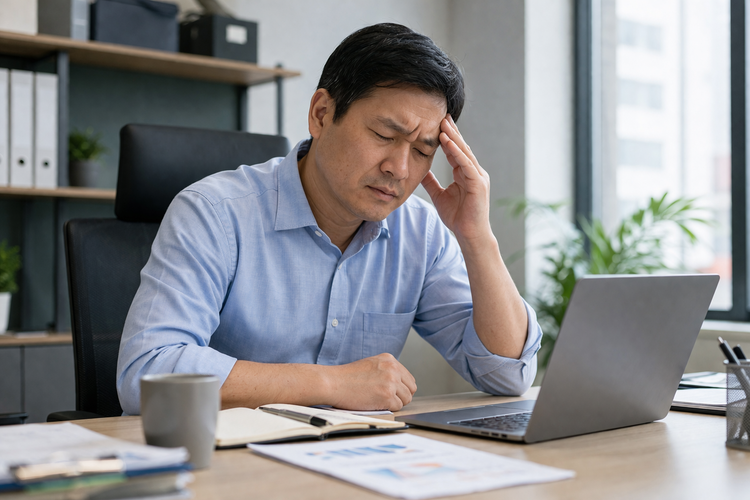
- Excessive daytime sleepiness, even after a full night's rest
- Dry mouth or sore throat upon waking
- Morning headaches that improve as the day goes on
- Difficulty concentrating and memory problems
- Irritability and mood changes
- Reduced libido
Because many of these symptoms develop gradually, people often attribute them to stress, ageing, or a busy lifestyle.
Health Risks of Untreated Sleep Apnoea
Untreated sleep apnoea affects multiple systems in the body, with repeated drops in blood oxygen levels and frequent sleep disruptions contributing to cardiovascular disease, metabolic disorders, and cognitive impairment over time.
- Cardiovascular disease – Sleep apnoea is strongly associated with high blood pressure, irregular heart rhythms (atrial fibrillation), heart failure, and an increased risk of heart attack and stroke.
- Daytime impairment – Chronic sleep deprivation leads to excessive sleepiness, poor concentration, and slower reaction times, increasing the risk of road accidents and workplace injuries.
- Metabolic and diabetes risk – Sleep apnoea disrupts glucose metabolism and increases insulin resistance, raising the risk of developing type 2 diabetes. It also affects hormones that regulate appetite, contributing to weight gain that can further worsen the condition.
- Mental health – Persistent poor sleep is linked to depression, anxiety, and irritability.
Think sleep apnoea may be affecting your sleep or daily energy levels? Consult a doctor to discuss your symptoms and determine the next steps for diagnosis and treatment.
Book Your Appointment TodayHow Sleep Apnoea Is Diagnosed
A sleep study is the standard method for diagnosing sleep apnoea. Diagnosis typically begins with a clinical evaluation and may progress to an overnight monitoring test.
- Clinical consultation – A review of your symptoms, medical history, sleep habits, and physical features such as neck circumference and airway anatomy. Screening tools like the Epworth Sleepiness Scale or STOP-BANG questionnaire help determine sleep apnoea risk level.
- Home sleep apnoea test (HSAT) – A portable sleep monitoring device worn at home tracks airflow, breathing effort, blood oxygen saturation, and heart rate overnight. Home sleep testing is commonly used as a first-line diagnostic tool for patients with a moderate to high likelihood of obstructive sleep apnoea.
- In-lab polysomnography (sleep study) – An overnight sleep study conducted in a sleep laboratory recording brain activity, eye movements, heart rhythm, muscle activity, breathing patterns, and blood oxygen levels. Polysomnography is typically recommended when home sleep testing is inconclusive or when central sleep apnoea is suspected.
The severity of sleep apnoea is measured by the apnoea-hypopnoea index
(AHI), which counts the number of breathing disruptions per hour of sleep.
Both home sleep tests and in-lab polysomnography use similar measures to classify severity, though
the exact calculation may differ slightly between the two methods.
| Severity | AHI (events per hour) |
|---|---|
| Normal | Fewer than 5 |
| Mild | 5 to 14 |
| Moderate | 15 to 29 |
| Severe | 30 or more |
Sleep Apnoea Treatment Options in Singapore
Treatment for sleep apnoea depends on its type, severity, and underlying cause. Most treatment plans combine lifestyle modifications with one or more therapies to keep the airway open during sleep.
Lifestyle Modifications
For mild cases, and as a complement to other treatments, lifestyle changes can make a meaningful difference:
- Weight management – Losing even 5% to 10% of body weight can reduce AHI in overweight individuals.
- Sleep position – Sleeping on your side rather than your back helps prevent the tongue and soft tissues from collapsing into the airway.
- Avoiding alcohol and sedatives – Reducing intake in the hours before bedtime limits throat muscle relaxation and helps prevent apnoea episodes.
- Smoking cessation – Reducing airway inflammation improves breathing during sleep.
Positional Therapy
Some patients experience sleep apnoea mainly when sleeping on their back. Positional therapy devices help maintain side sleeping throughout the night. These range from wearable sensors that vibrate when you roll onto your back, to specially designed pillows and sleep aids.
Oral Appliances
Mandibular advancement devices (MADs) reposition the
lower jaw slightly forward during sleep, which helps keep the airway open. These custom-fitted
dental devices are an option for mild to moderate obstructive sleep apnoea, or for patients who find
continuous positive airway pressure (CPAP) difficult to tolerate.
Oral appliances are less bulky than CPAP and are convenient for travel. They are typically fitted
by a dentist with training in sleep medicine.
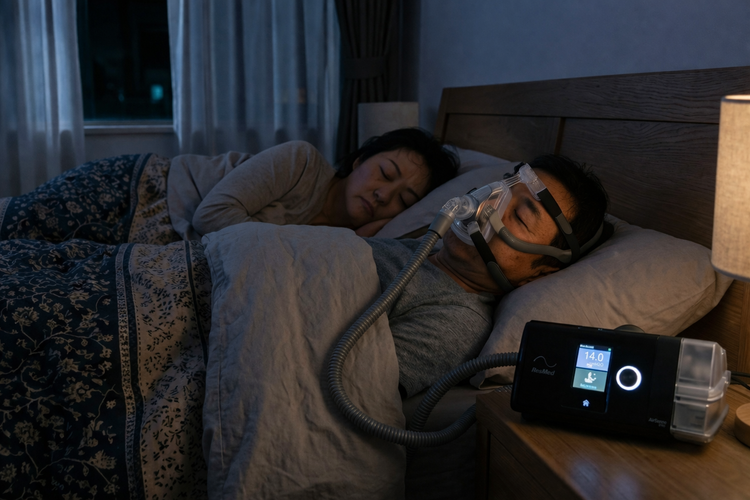
Continuous Positive Airway Pressure (CPAP)
CPAP is
the most commonly prescribed treatment for moderate to severe obstructive sleep apnoea. The
device delivers a steady stream of pressurised air through a mask worn during sleep, keeping
the airway open and preventing apnoea episodes.
Most users notice improvements in sleep quality, daytime alertness, and energy levels within
the first few days to weeks. Modern CPAP machines are quieter and more compact than earlier
models, and masks are available in several styles to improve comfort. Consistent nightly use
is important for sustained benefit. Even occasional skipping can lead to a return of
symptoms.
Surgery
Surgical options may be considered when other treatments are not effective or when a structural
issue is clearly contributing to airway obstruction.
Procedures vary depending on the cause and may include removal of excess throat tissue (uvulopalatopharyngoplasty), removal of enlarged
tonsils or adenoids, repositioning of the jaw to enlarge the airway space (maxillomandibular advancement), or
implantation of a device that stimulates the hypoglossal nerve to prevent the tongue from blocking
the airway during sleep.
Surgery is generally reserved for specific cases and is discussed after a thorough evaluation by a
sleep specialist or ENT surgeon.
Sleep Apnoea Test Cost in Singapore
At ATA Medical, we provide consultations and home testing for sleep apnoea diagnosis and management.
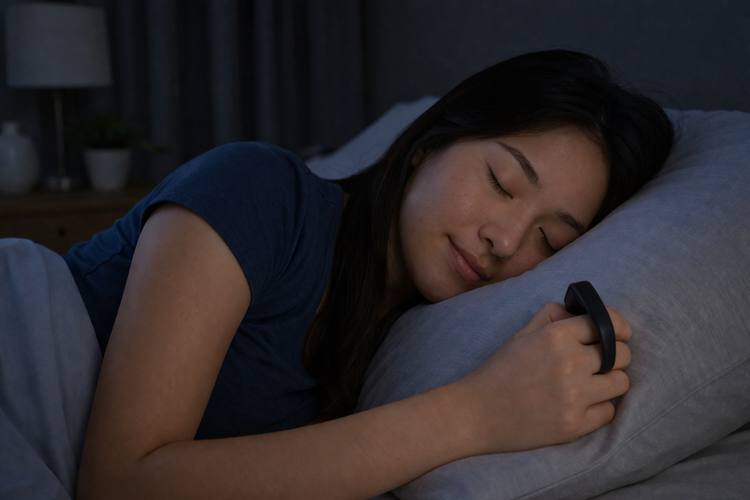
We offer the Belun Ring® home sleep study, a
convenient ring-worn device that tracks blood oxygen levels, heart rate, and body position from the
comfort of your own bed.
| Test | Price*^ |
|---|---|
| Consultation with our GP / Family Physician | From $49.05 |
| Home Sleep Test | |
| Belun Ring® Sleep Study | $300 |
^Prices last updated on Apr 15, 2026. While every effort is made to keep pricing information up to date, please contact our team to confirm the latest rates.
"Sleep apnoea often goes undiagnosed for years, yet its impact on cardiovascular health and daily functioning is significant. Early identification and treatment can substantially improve sleep quality, energy levels, and long-term health outcomes."
— Dr Leonard Leng
"Sleep apnoea often goes undiagnosed for years, yet its impact on cardiovascular health and daily functioning is significant. Early identification and treatment can substantially improve sleep quality, energy levels, and long-term health outcomes."
— Dr Leonard Leng
Making a Difference Together
At ATA Medical, we strive to make a meaningful impact on every patient's health. With over 180,000 patients served, we are dedicated to fostering trust and enhancing well-being across our community.
Patients
Health Screening Tests
Corporate Screenings
How Do I Book a Sleep Apnoea Treatment Appointment?
ATA Medical @ Tanjong Pagar
Sat: 8:30 AM – 12:30 PM
Sun & PH: Closed
Last appt: 5:15 PM (Mon–Fri), 12:15 PM (Sat)
ATA Medical @ Orchard
Sat: 8:30 AM – 12:30 PM
Sun & PH: Closed
Last appt: 5:15 PM (Mon–Fri), 12:15 PM (Sat)
ATA Medical @ Jurong
Sat: 8:30 AM – 12:30 PM
Sun & PH: Closed
Last appt: 5:15 PM (Mon–Fri), 12:15 PM (Sat)
ATA Medical @ Novena
Sat: 8:30 AM – 12:30 PM
Sun & PH: Closed
Last appt: 5:15 PM (Mon–Fri), 12:15 PM (Sat)