

Lifestyle Medicine Singapore

Better Chronic Disease Control, Starting With Your Daily Habits
- A personalised lifestyle plan that works alongside your existing treatment
- Friendly doctors with backgrounds in family medicine and lifestyle medicine
- Whole-person care across nutrition, activity, sleep, stress, and more, in one clinic

Last updated: Sep 25, 2026
What Is Lifestyle Medicine?
Lifestyle medicine is a medical discipline that uses evidence-based changes to daily habits, such as diet, physical activity, sleep and stress management, to prevent, treat and manage chronic diseases.
Everyday habits contribute to many ongoing health problems, so lifestyle medicine focuses on changing those habits rather than treating you with medicine alone. A doctor treats these changes as part of your formal treatment plan, not just as general advice.
Medicine is often used side by side with lifestyle changes, and your doctor may review whether your medication can be adjusted as your health improves.
At ATA Medical, we are a longevity clinic that provides lifestyle medicine consultations, along with a wide range of tests to track and monitor your overall health.

The Six Pillars of Lifestyle Medicine
The six pillars of lifestyle medicine are whole-food
nutrition, physical activity, restorative sleep, stress management, avoidance of risky substances,
and positive social connection.
At ATA Medical, our approach focuses on all six to assess your daily habits and build a treatment
plan around the ones affecting your health most.
Nutrition
Eating well is one of the most powerful ways to control your weight, blood pressure, cholesterol, and blood sugar, which is why it is often the first habit a doctor looks at.
Physical Activity
Staying active strengthens your heart and helps your body manage weight and blood sugar, and even small increases in daily movement make a difference.
Sleep
Quality sleep keeps your weight, blood pressure, and blood sugar in check, affecting far more than how tired you feel the next day.
Stress Management
Managing stress protects your blood pressure and sleep, and reduces the pull towards habits like overeating or smoking.
Avoiding Risky Substances
Cutting down on alcohol and quitting smoking lower your risk of serious conditions, including cancer, heart disease, and liver disease.
Social Connection
Strong relationships support better mental health and are even linked to a longer life.
Why Choose ATA Medical for Lifestyle Medicine?
When you choose ATA Medical for your lifestyle medicine care, you can benefit from:
Your lifestyle plan is guided by qualified doctors with backgrounds in family medicine and lifestyle medicine, so your care stays in qualified hands.
Blood tests, body composition analysis, imaging, and health screening packages, so your baseline assessment and follow-up tracking are handled in one place.
Eligible patients can access chronic disease screening under Screen for Life, and we support enrolment in national schemes that help lower your out-of-pocket costs.
Conditions such as diabetes, hypertension, and high cholesterol, along with weight management, are handled alongside your lifestyle plan, including under Healthier SG if you enrol with us.
Clinics in Tanjong Pagar, Orchard, Novena, and Jurong, with minimal waiting times.
For more complex cardiovascular needs, we partner with a visiting cardiologist, so any heart concerns flagged in your assessment can be seen without a separate referral elsewhere.
What Conditions Can Lifestyle Medicine Help With?
Lifestyle medicine best supports the management of chronic conditions closely linked to
daily habits, including high blood pressure,
high cholesterol, type 2 diabetes, and excess weight. Keeping these under control also lowers your
risk of more serious problems down the line, such as heart
attack, stroke, and kidney
disease.
Depending on your condition, lifestyle changes can work alongside medication or, for some people,
reduce how much they need over time.
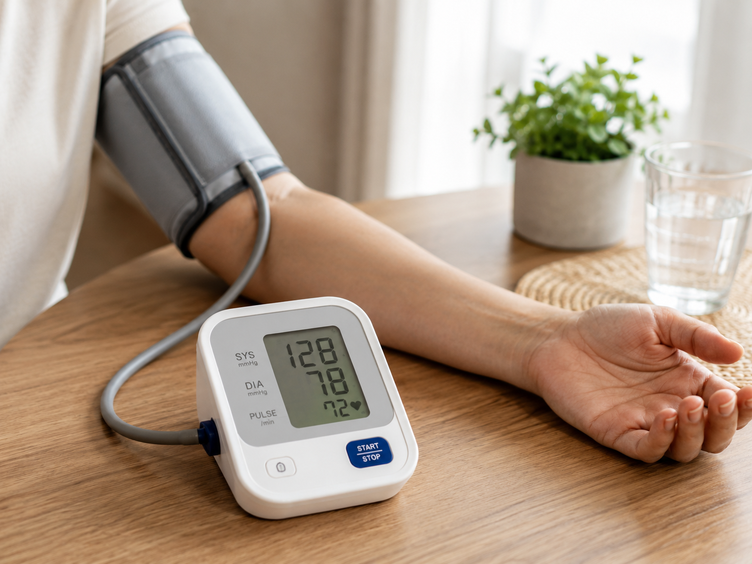
High Blood Pressure (Hypertension)
Hypertension is persistently raised pressure in the arteries, which strains the heart and blood vessels and raises the risk of stroke, heart attack, and kidney disease. It often develops silently, with no symptoms until complications appear, which is why regular checks matter.
For some patients, sustained lifestyle changes can delay the need to start medication, or reduce reliance on it over time, though this depends on your circumstances, with any adjustment made by your doctor.
High Cholesterol (Hyperlipidaemia)
Hyperlipidaemia refers to raised levels of cholesterol or other fats in the blood, which build up as
fatty deposits in the arteries over time. Like hypertension, it usually causes no symptoms and is
picked up through screening, so you can have it for years without knowing.
Lifestyle change is generally recommended for anyone with raised cholesterol, whether or not they
also take cholesterol-lowering medication.
Type 2 Diabetes
Type 2 diabetes is a condition in which the body becomes resistant to insulin, the hormone that
controls blood sugar, causing blood sugar levels to rise. Left uncontrolled, it can damage the eyes, kidneys,
nerves, and heart, often before you notice symptoms.
Research suggests some people with type 2 diabetes may achieve remission through sustained lifestyle changes, though results vary
from person to person and ongoing monitoring remains important.
Overweight and Obesity
Obesity is excess body fat that raises the risk of many other conditions, including the three above, as well as sleep apnoea, joint problems, and certain cancers. It is influenced by diet, activity, sleep, stress, genetics, and environment, so it is rarely about willpower alone.
Where appropriate, our doctors may discuss combining lifestyle changes with weight loss medication, such as tirzepatide, or other treatments, if suitable.

Concerned about your blood pressure, cholesterol, or weight? Speak with one of our friendly doctors about a lifestyle medicine plan that fits you. Book an appointment today.
Book an Appointment TodayYour Lifestyle Medicine Journey at ATA Medical
At ATA Medical, your lifestyle medicine care follows a clear path, from your first assessment through to regular follow-up.
-
1
Initial Consultation and Assessment
Your first visit includes a review of your medical history, your current habits and lifestyle, and your personal goals, with screening arranged where needed to establish your baseline health. -
2
Personalised Lifestyle Plan
Based on your results, your doctor works with you on a plan that fits your life, with practical steps across areas like nutrition, activity, and sleep, built around your health and your routine. -
3
Follow-Up and Monitoring
Progress is reviewed by your doctor at regular follow-up consultations, with your plan and any medication adjusted as your health improves, helping you sustain the changes over the long term.
Cost of Lifestyle Medicine Services in Singapore
At ATA Medical, our care is led by family physicians, with a wide range of consultations, tests, and treatments for lifestyle medicine. Our prices are as follows:
| Service | Price*^ |
|---|---|
| Brief Consultation | $49.05 |
| Standard Consultation (15 to 30 minutes) | $65.40 |
| Standard Consultation (30 to 60 minutes) | $98.10 |
| Health Screening Packages | From $76 |
| Diabetes Screening (Subsidised under Screen for Life) | From $0 (depending on CHAS / MG / PG status) |
| High Cholesterol Screening (Subsidised under Screen for Life) | From $0 (depending on CHAS / MG / PG status) |
| Lipid Profile Screening | $21.80 |
| Vitamin Deficiency Test (Individual) | From $32.70 |
| InBody Body Composition Test | $43.60 |
^Prices last updated on Jun 19, 2026. While every effort is made to keep pricing information up to date, please contact our team to confirm the latest rates.
"Lifestyle medicine takes a holistic approach, treating diet, activity, sleep, and
stress as part of your treatment, not optional extras alongside conventional medicine.
These changes can improve chronic disease control and lower the risk of complications
over time."
— Dr Leonard Leng
"Lifestyle medicine takes a holistic approach, treating diet, activity, sleep, and stress as part of your treatment, not optional extras alongside conventional medicine. These changes can improve chronic disease control and lower the risk of complications over time."
— Dr Leonard Leng
Book a Lifestyle Medicine Consultation
ATA Medical @ Tanjong Pagar
Sat: 8:30 AM – 12:30 PM
Sun & PH: Closed
Last appt: 5:15 PM (Mon–Fri), 12:15 PM (Sat)
ATA Medical @ Orchard
Sat: 8:30 AM – 12:30 PM
Sun & PH: Closed
Last appt: 5:15 PM (Mon–Fri), 12:15 PM (Sat)
ATA Medical @ Jurong
Sat: 8:30 AM – 12:30 PM
Sun & PH: Closed
Last appt: 5:15 PM (Mon–Fri), 12:15 PM (Sat)
ATA Medical @ Novena
Sat: 8:30 AM – 12:30 PM
Sun & PH: Closed
Last appt: 5:15 PM (Mon–Fri), 12:15 PM (Sat)
Navigate to Us
ATA Medical (Anson House)
ATA Medical (Camden Medical Centre)
ATA Medical (CPF Jurong Building)
ATA Medical (Royal Square Medical Centre)
Frequently Asked Questions (FAQs)
It also differs from functional medicine, as lifestyle medicine stays within mainstream clinical guidelines and has a defined scope and formal board certification.