Top 10 Health Screening Items You Should Not Neglect

Last updated: Sep 27, 2026
Most people think of health screening as something to do at 40, or when their company offers it. The real value of a health screening, though, is in detecting problems before you notice anything wrong. Conditions such as diabetes, high cholesterol and certain cancers can develop unnoticed over many years and cause damage long before any symptoms appear.
The right tests for you depend on your age, gender, family history and lifestyle. Some core screening items still form the basis of any meaningful health check, whether it is your first screening or part of a regular routine.
In this article, we explain 10 widely recommended health screening tests and why each one matters.
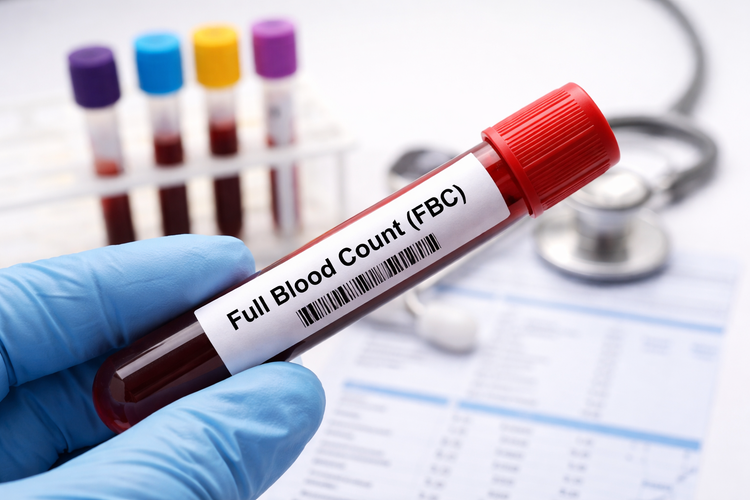
1. Full Blood Count (FBC)
A full blood count measures your red blood cells, white blood cells, and platelets. It is one of the most commonly ordered blood tests because it provides a broad snapshot of your overall health in a single draw.
What it can detect or monitor: An FBC can flag conditions such as anaemia
(low red blood cells), infections (elevated white blood cells), and clotting disorders
(abnormal platelet counts).
It also serves as an early indicator that something may need further investigation, even
when you feel well. If you have a known condition such as anaemia or a blood disorder,
regular FBCs help track whether it is stable or worsening.
When to get tested: At any age. An FBC is typically included in even the
most basic screening packages as a standard part of routine health checks.
2. Diabetes and Blood Sugar Screening
The most common tests for diabetes
and blood sugar include fasting blood glucose, which captures your blood sugar at a single
point in time, and HbA1c, which reflects your average blood sugar levels over the past two to three
months. Together, they give a more complete picture of how your body manages blood sugar than either
test alone.
For a more detailed metabolic assessment, your doctor may recommend additional tests such as an oral
glucose tolerance test (OGTT), which measures how your body processes sugar over two hours, or HOMA-IR, which estimates your level
of insulin resistance.
What it can detect or monitor: Pre-diabetes often has no symptoms, so regular
screening is the only reliable way to catch it early. OGTT and HOMA-IR can identify insulin
resistance and impaired glucose tolerance before they progress to diabetes.
If you have been diagnosed with diabetes or pre-diabetes, HbA1c helps track how well your blood
sugar is being managed over time, whether through lifestyle changes, medication,
or both. Continuous glucose monitoring (CGM) can also
track patterns over days or weeks, offering insights that a single blood draw cannot capture.
When to get tested: From age 40, every three years, under the Healthier SG Screening
programme. Those with risk factors such as a family history of diabetes or obesity may
benefit from earlier screening.
3. Cholesterol Screening
A standard lipid profile
measures your total cholesterol, LDL ("bad") cholesterol, HDL ("good") cholesterol, and
triglycerides.
For a more precise assessment of cardiovascular risk, your doctor may recommend testing for
apolipoprotein B (ApoB), which measures the number of potentially harmful cholesterol
particles in your blood, and lipoprotein(a), or Lp(a), a genetically determined risk factor
that typically only needs to be tested once.
What it can detect or monitor: High cholesterol is a major risk factor for heart disease and
stroke, and typically causes no
symptoms until damage has already occurred. Results help guide decisions around diet, exercise, and
whether medication may be needed.
Even if you eat well and exercise regularly, genetic factors can still push cholesterol levels
into unhealthy ranges, which is why screening matters regardless of lifestyle. ApoB and Lp(a)
can identify elevated risk even when standard cholesterol numbers appear normal.
When to get tested: From age 40, every three years, under the Healthier SG
Screening programme, or earlier if risk factors are present.
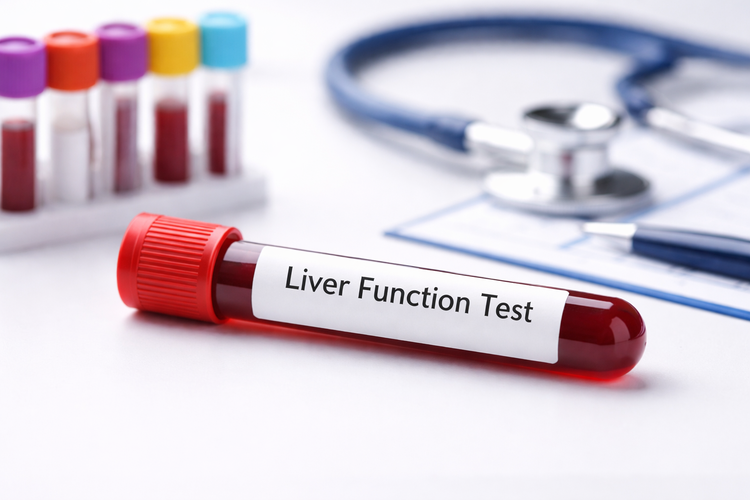
4. Liver Function Test
A liver function test checks how well your liver is working by measuring enzymes, proteins, and bilirubin in your blood. The liver plays a central role in metabolism, detoxification, and nutrient storage, so early detection of liver problems can prevent progression to more serious conditions.
What it can detect or monitor: Common findings include elevated liver
enzymes, which can signal fatty liver disease, hepatitis, or alcohol-related damage.
Fatty liver in particular
has become increasingly common in Singapore, even among people who do not drink alcohol.
Since liver disease is often silent in its early stages, routine screening is one of the few
ways to detect it before significant damage occurs.
If you have a known liver condition, regular testing helps track whether it is stable or
progressing.
When to get tested: At any age. A liver function test is a standard
component of most health screening packages.
5. Kidney Function Test
A kidney function
test measures markers such as creatinine, urea, and estimated glomerular filtration rate
(eGFR) to assess how efficiently your kidneys are filtering waste from your blood.
What it can detect or monitor: Chronic kidney disease affects a significant number
of adults in Singapore, often in connection with diabetes and high blood pressure. Kidney damage is
largely irreversible once it progresses beyond a certain point, making early detection particularly
important.
If you already have a condition that affects kidney health, such as diabetes or hypertension,
regular testing helps monitor whether your kidney function is declining over time.
When to get tested: At any age, but especially relevant if you have diabetes,
hypertension, a family history of kidney disease, or if you regularly take medications that can
affect kidney function such as certain painkillers.
6. Thyroid Function Test
A thyroid function
test measures hormones produced by the thyroid gland, including TSH (thyroid-stimulating
hormone), Free T3, and Free T4. The thyroid regulates metabolism, energy levels, and body
temperature, so even small imbalances can have wide-ranging effects.
What it can detect or monitor: Hypothyroidism
(underactive thyroid) can cause fatigue, weight gain, and sensitivity to cold, while hyperthyroidism
(overactive thyroid) may lead to weight loss, anxiety, and rapid heartbeat. Because the symptoms
overlap with many other conditions, a blood test is the only reliable way to confirm a thyroid
issue.
If you are already on thyroid medication, regular testing
helps ensure your dosage is keeping hormone levels within the target range.
When to get tested: Both conditions are more common in women and can develop
at any age. Consider including this test if you have symptoms such as unexplained fatigue,
weight changes, or a family history of thyroid disorders.
7. Cancer Screening
Cancer screening aims to detect cancer or pre-cancerous changes before symptoms develop, when treatment is most likely to be successful. The specific tests recommended depend on your age and gender.
Cancer Screening for Women
Pap smear
screens for cervical cancer by detecting pre-cancerous cells on the cervix and is
recommended for women aged 25 to 29, every three years.
HPV test identifies
high-risk strains of human papillomavirus that can lead to cervical cancer. From age 30
onwards, it is recommended every five years.
Mammogram
screens for breast cancer using an X-ray of the breast tissue and is recommended annually
for women aged 40 to 49, and every two years from age 50 onwards. Women below 40 with risk
factors such as a family history of breast cancer or BRCA gene mutations may
benefit from earlier screening.

Cancer Screening for Men
PSA (prostate-specific antigen) is a blood test that measures a protein produced by the prostate gland. Elevated levels can indicate prostate cancer, though non-cancerous conditions such as an enlarged prostate can also raise PSA. Men aged 50 and above are encouraged to consider screening, or earlier for those with a family history of prostate or breast cancer.
Cancer Screening for Both Men and Women
Stool occult blood test
screens for colorectal cancer by detecting hidden blood in the stool. It is recommended annually
from age 50, with follow-up colonoscopy if the result is positive.
Colonoscopy
provides a direct visual examination of the colon using a flexible camera and is recommended from
age 50, every 10 years. Polyps found during the procedure can be removed at the same time,
preventing them from developing into cancer. Those with a family history of colorectal cancer may
need to start earlier.
Liquid biopsy
analyses a blood sample for circulating tumour DNA and can screen for multiple cancer types
simultaneously. Unlike traditional biopsies, it is a detection tool rather than a diagnostic one, so
a positive result would still require further investigation. It is increasingly available as an
optional add-on for those who want broader coverage.
Low-dose CT lung screening uses a low-radiation CT scan
to detect early-stage lung cancer and other lung abnormalities. It is generally recommended for
adults aged 50 and above with a significant smoking history, including current and former smokers.
Due for a health screening? Speak with our doctors about which tests are right for your age and risk profile.
Book Your Appointment Today8. STI Screening
STI screening typically involves blood and urine tests
that check for common sexually
transmitted infections such as HIV,
syphilis, hepatitis
B, herpes, chlamydia, and gonorrhoea.
What it can detect or monitor: Many STIs, including HIV, syphilis, and hepatitis B,
can remain asymptomatic for extended periods and carry serious long-term health consequences if
undetected.
Hepatitis B and C in particular can lead to chronic liver disease, cirrhosis, and liver cancer if
left untreated. Hepatitis B is particularly relevant in Singapore, where carrier rates remain
significant and many carriers are unaware of their status.
When to get tested: At least once for hepatitis B and C if you have never been
tested. Broader STI screening is recommended for anyone who is sexually active, particularly if you
have had multiple partners or unprotected intercourse. Screening frequency depends on your level of
risk, and your doctor can advise on what is appropriate.
9. Nutritional Deficiency Screening
Nutritional deficiency screening checks your blood levels of key vitamins and minerals, commonly including vitamin D, vitamin B12, iron, and folate. These nutrients play essential roles in energy production, immune function, bone health, and red blood cell formation.

What it can detect or monitor: Deficiencies in vitamin D are widespread in
Singapore despite the tropical climate, often due to limited sun exposure from indoor
lifestyles and sun avoidance.
Low vitamin B12 is common among
older adults, vegetarians, and those on certain medications such as metformin. Iron
deficiency is a frequent cause of fatigue, particularly in women with heavy
menstrual periods. Left unchecked, these deficiencies can contribute to conditions such as
anaemia, osteoporosis, nerve damage, and impaired
immunity.
If you have been diagnosed with a deficiency, regular testing helps monitor whether
supplementation is bringing your levels back to a healthy range.
When to get tested: At any age, but particularly relevant if you experience persistent fatigue, muscle weakness, hair loss, or frequent illness. Those on restricted diets, older adults, and individuals with chronic conditions such as diabetes are at higher risk of deficiency.
10. Cardiac Screening
What it measures: Cardiac screening assesses the structure and function of your
heart. Common tests include an electrocardiogram
(ECG), which records your heart's electrical activity, an echocardiogram,
which uses ultrasound to visualise how your heart chambers and valves are working, and a coronary calcium score,
which uses a CT scan to
measure calcium deposits in your coronary arteries.
What it can detect or monitor: These tests can detect conditions such as irregular
heart rhythms, signs of a previous heart attack, valve problems, weakened heart muscle, and early
plaque build-up in the arteries.
Heart disease remains one of the leading causes of death in Singapore, and many cardiac conditions
develop without obvious symptoms. If you have a known heart condition or are on medication for
hypertension or high cholesterol, regular cardiac screening helps track whether your heart health is
stable.
When to get tested: From age 40, or earlier if you have risk factors such as a
family history of heart disease, diabetes, hypertension, high cholesterol, smoking, or obesity. Your
doctor can recommend which cardiac tests are appropriate based on your risk profile.
How Often Should You Get a Health Screening?
The recommended frequency depends on your age, risk factors, and existing health conditions. However, certain tests have specific frequency guidelines based on your age and gender, as summarised in the table below:
| Test | Age 18–39 | Age 40–49 | Age 50+ |
|---|---|---|---|
| Pap Smear (Women) | ✓ — Ages 25 to 29, every 3 years | — | — |
| HPV Test (Women) | ✓ — From age 30, every 5 years | ✓ — Every 5 years | ✓ — Every 5 years |
| Mammogram (Women) | — | ✓ — Every year | ✓ — Every 2 years |
| PSA (Men) | — | Discuss with doctor | ✓ — From age 50 |
| Stool Occult Blood Test | — | — | ✓ — Every year |
| Colonoscopy | — | — | ✓ — Every 10 years |
| Low-Dose CT Lung Screening | — | — | ✓ — If significant smoking history |
If you have existing conditions such as diabetes, hypertension, or a family history of heart disease
or cancer, your doctor may recommend more frequent monitoring of specific markers.
Many clinics in Singapore offer bundled health screening packages at different price points. For a
breakdown of what these typically include and cost, read our guide to health
screening prices in Singapore or check out our comprehensive health screening
packages at ATA Medical.

Post-Screening Breakfast Voucher
Complimentary post-screening Yakun breakfast voucher for Crown+ and above, Halal replacement available for Muslims.
"Many conditions we screen for, such as diabetes, high cholesterol, and fatty liver, develop silently over years. Regular screening gives you the opportunity to act before they progress, which can make a meaningful difference to long-term health."
— Dr Leonard Leng
"Many conditions we screen for, such as diabetes, high cholesterol, and fatty liver, develop silently over years. Regular screening gives you the opportunity to act before they progress, which can make a meaningful difference to long-term health."
— Dr Leonard Leng
Why Choose ATA Medical?



Making a Difference Together
At ATA Medical, we strive to make a meaningful impact on every patient's health. With over 180,000 patients served, we are dedicated to fostering trust and enhancing well-being across our community.
Patients
Health Screening Tests
Corporate Screenings
How Do I Book a Health Screening With ATA Medical?
ATA Medical @ Tanjong Pagar
Sat: 8:30 AM – 12:30 PM
Sun & PH: Closed
Last appt: 5:15 PM (Mon–Fri), 12:15 PM (Sat)
ATA Medical @ Orchard
Sat: 8:30 AM – 12:30 PM
Sun & PH: Closed
Last appt: 5:15 PM (Mon–Fri), 12:15 PM (Sat)
ATA Medical @ Jurong
Sat: 8:30 AM – 12:30 PM
Sun & PH: Closed
Last appt: 5:15 PM (Mon–Fri), 12:15 PM (Sat)
ATA Medical @ Novena
Sat: 8:30 AM – 12:30 PM
Sun & PH: Closed
Last appt: 5:15 PM (Mon–Fri), 12:15 PM (Sat)