

Strength Training for Weight Loss: How Does It Help?

Last updated: Sep 30, 2026
Strength training is widely considered a valuable part of a weight loss plan, though not for the reason most people assume. A typical session burns fewer calories than the same time spent running, cycling or swimming. Its value lies in stopping muscle loss rather than burning calories.
When you lose weight, you do not only lose fat. You also lose muscle, and losing more of it can lower the energy your body uses at rest, which may make regain more likely. Strength training helps limit how much of that muscle is broken down for energy, though it does not fully prevent it.
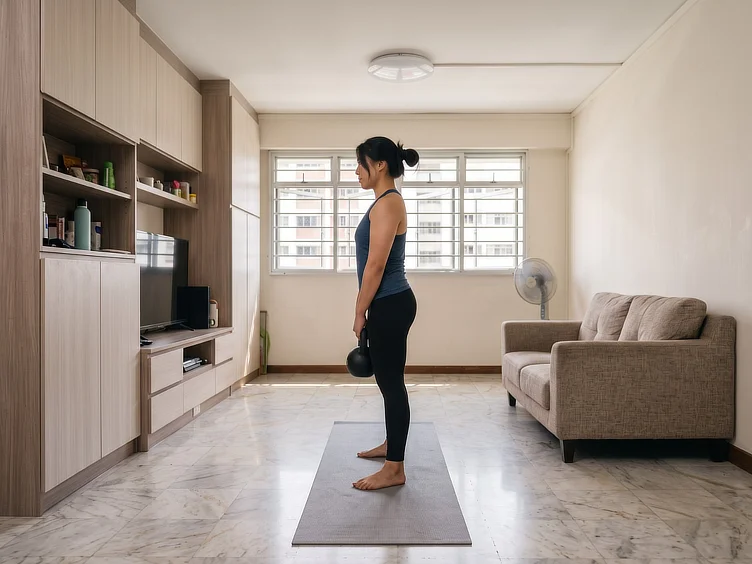
What Body Composition Means for Weight Loss
Body composition describes how much of your weight is fat and how much is muscle, bone and water. Two people at the same weight can look and function very differently depending on that balance, which is why weight alone is a poor measure of progress.
Muscle is denser than fat, so a kilogram of muscle takes up less space. Losing fat while holding muscle steady can change your shape, your waist measurement and your clothing size even when your weight stays the same.
Adults also lose muscle steadily from around the age of 30, at roughly 3 to 8 per cent per decade, a rate that accelerates further after age 60, and losing weight on top of that can speed the process up.
Benefits of Strength Training for Weight Loss
Strength training protects muscle while you lose fat, and it also improves blood sugar control, bone strength and everyday physical function.
- More fat lost, less muscle – Strength training helps limit how much muscle is lost alongside fat, so fat makes up a greater share of the weight you lose. Keeping that muscle also makes the weight easier to keep off.
- Better blood sugar control – Muscle takes up glucose from the blood, so keeping more of it helps your body handle carbohydrates.
- Protects bone density – Loading your bones through resistance work helps maintain bone density, which declines with age and can drop further during weight loss.
- Everyday tasks feel easier – Carrying groceries, climbing stairs and getting up from a chair all take less effort as you get stronger.
Cardio vs Strength Training for Weight Loss
Cardio burns more calories per session, which makes a calorie deficit (eating less than your body uses) easier to reach. Strength training burns fewer calories but is more effective at preserving muscle, so more of the weight lost is fat rather than lean mass.
The wider health benefits overlap more than most people expect. Both lower blood pressure, with cardio doing more for aerobic fitness and strength training more for muscle and bone.
Muscle loss during weight loss is driven mainly by the size of the calorie deficit and protein intake, not by cardio itself. Eating far too little, doing a lot of cardio and eating little protein together increase muscle loss; a moderate amount of cardio with enough protein does not.
A practical split is two to three strength sessions and two to three cardio sessions a week, on separate days where possible. If time is limited, strength training is the harder one to replace, since walking, cycling to work and taking the stairs already build some cardiovascular fitness through the day.
What Are Some Strength Training Exercises for Weight Loss
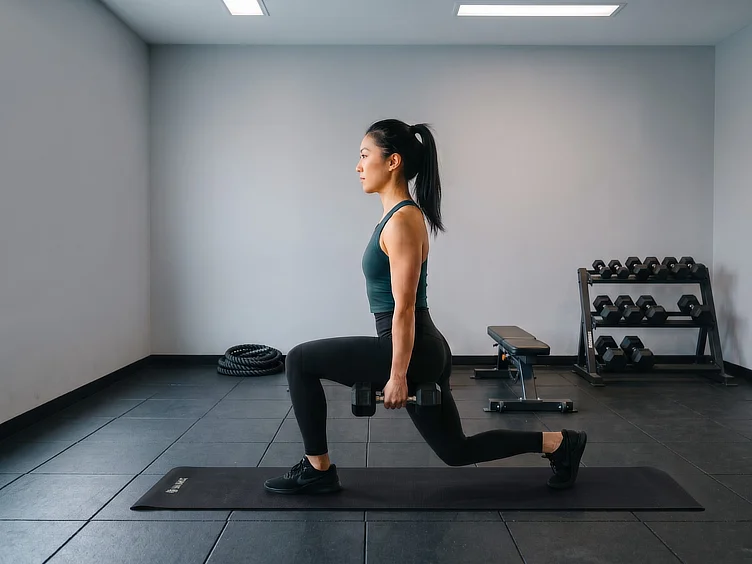
The exercises most often recommended for weight loss are compound movements, which work several muscle groups at once.
- Squats work the thighs, buttocks and core, some of the largest muscle groups in the body, making them an efficient use of training time.
- Deadlifts work the back, buttocks and hamstrings together, which builds the strength that supports your spine during everyday lifting.
- Presses work the chest, shoulders and arms, helping maintain upper body strength while eating less.
- Rows work the upper back and arms, which counters the forward posture that comes from desk work.
- Lunges work one leg at a time, which builds balance alongside strength and shows up any difference between your two sides.
Machines, resistance bands and bodyweight exercises work too, particularly at home. How you train matters more than which exercises you pick. Increase the weight, repetitions or sets over time, and leave rest days between sessions.
If you are new to strength training or want personalised guidance, a personal fitness trainer can teach you the movements.
How Many Days a Week Should You Strength Train for Weight Loss?
Two to three sessions a week is enough for most people losing weight. Singapore's Physical Activity Guidelines recommend muscle-strengthening activity on at least two days a week for adults, and additional sessions beyond this offer diminishing returns, particularly while eating in a deficit.
Twice a week works best as full-body sessions, so each muscle group is trained more than once. Three or more sessions allow you to train upper and lower body on separate days. Consistency over months matters far more than which of these two approaches you choose.
Why Strength Training Alone Rarely Causes Weight Loss
Strength training will not produce meaningful weight loss on its own. Diet determines whether you lose weight. Training determines what you lose.
Weight loss requires a calorie deficit, and the bigger the deficit, the faster you lose weight. Larger deficits cause more muscle loss, though, and are harder to keep up. The rate also decreases over time, because a smaller body burns fewer calories, so the same amount of food no longer creates the same deficit.
Training can also make it harder to eat less, since exercise may increase appetite in some people. It is also easy to overestimate how many calories a session burns, and to eat more as a result. If your weight has not changed after several weeks of consistent training, you may be eating more than your body needs.
Protein-Rich Food for Weight Loss
Protein-rich foods that support weight loss include eggs, fish, chicken, lean meat, tofu, tempeh, milk, yoghurt, cheese, beans and lentils. Most people strength training while losing weight benefit from around 1.2 to 1.6 grams of protein per kilogram of body weight a day, above the general recommendation of 0.8 g/kg, so make one of these the main part of each meal.
Including protein at every meal is easier than getting the whole day's protein in one sitting. A protein supplement can help when appetite is low. If you have chronic kidney disease or another condition affecting how your body handles protein, discuss your diet with your doctor or dietitian first.
Medical Weight Loss Options
Where diet and training alone have not worked, GLP-1 receptor agonists such as semaglutide and tirzepatide are one option. These prescription medicines mimic the hormones your gut releases after eating, slowing stomach emptying and acting on the parts of the brain that control appetite, so you feel full for longer.
GLP-1 medication produces faster weight loss than diet alone, and this means more muscle is lost as well. Because these medicines reduce appetite, patients often eat less protein at the point when they need more of it. Strength training and enough protein help limit that muscle loss.
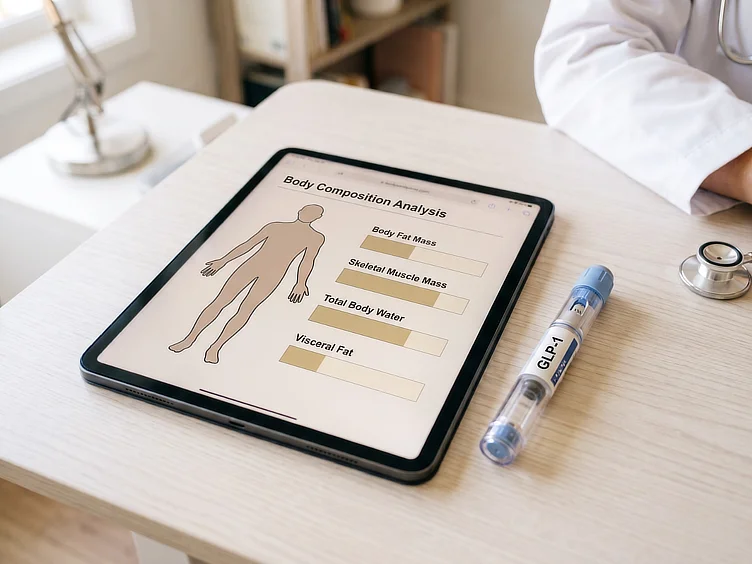
At ATA Medical, our medically supervised weight loss programme includes complimentary DEXA scans, so your progress is measured by body composition rather than weight alone. Patients on the programme also receive a complimentary session with Surge PT to get started with strength training.
Book a consultation to find out more today.
When to Speak to a Doctor About Weight Loss
If you have trained consistently and eaten in a calorie deficit for three months or more with no change in weight or body composition, it is worth having the underlying factors checked rather than training harder.
Thyroid dysfunction, insulin resistance, polycystic ovary syndrome, poor sleep and certain prescribed medications can all slow weight loss. Exercise alone will not fully overcome these factors, so identifying and treating them directly is usually what helps.
At ATA Medical, a consultation for weight loss may include blood tests, a body composition scan and a review of your medications and sleep. Where lifestyle changes alone have not been enough, our doctors can also discuss whether medication is appropriate alongside your training.
"Strength training is beneficial for weight loss because it helps you retain muscle, so more of the weight you lose is fat. Keeping that muscle also makes regain less likely."
— Dr Leonard Leng
"Strength training is beneficial for weight loss because it helps you retain muscle, so more of the weight you lose is fat. Keeping that muscle also makes regain less likely."
— Dr Leonard Leng
Making a Difference Together
At ATA Medical, we strive to make a meaningful impact on every patient's health. With over 180,000 patients served, we are dedicated to fostering trust and enhancing well-being across our community.
Patients
Health Screening Tests
Corporate Screenings
How Do I Book a Weight Loss Consultation?
ATA Medical @ Tanjong Pagar
Sat: 8:30 AM – 12:30 PM
Sun & PH: Closed
Last appt: 5:15 PM (Mon–Fri), 12:15 PM (Sat)
ATA Medical @ Orchard
Sat: 8:30 AM – 12:30 PM
Sun & PH: Closed
Last appt: 5:15 PM (Mon–Fri), 12:15 PM (Sat)
ATA Medical @ Jurong
Sat: 8:30 AM – 12:30 PM
Sun & PH: Closed
Last appt: 5:15 PM (Mon–Fri), 12:15 PM (Sat)
ATA Medical @ Novena
Sat: 8:30 AM – 12:30 PM
Sun & PH: Closed
Last appt: 5:15 PM (Mon–Fri), 12:15 PM (Sat)